 Mark
Mark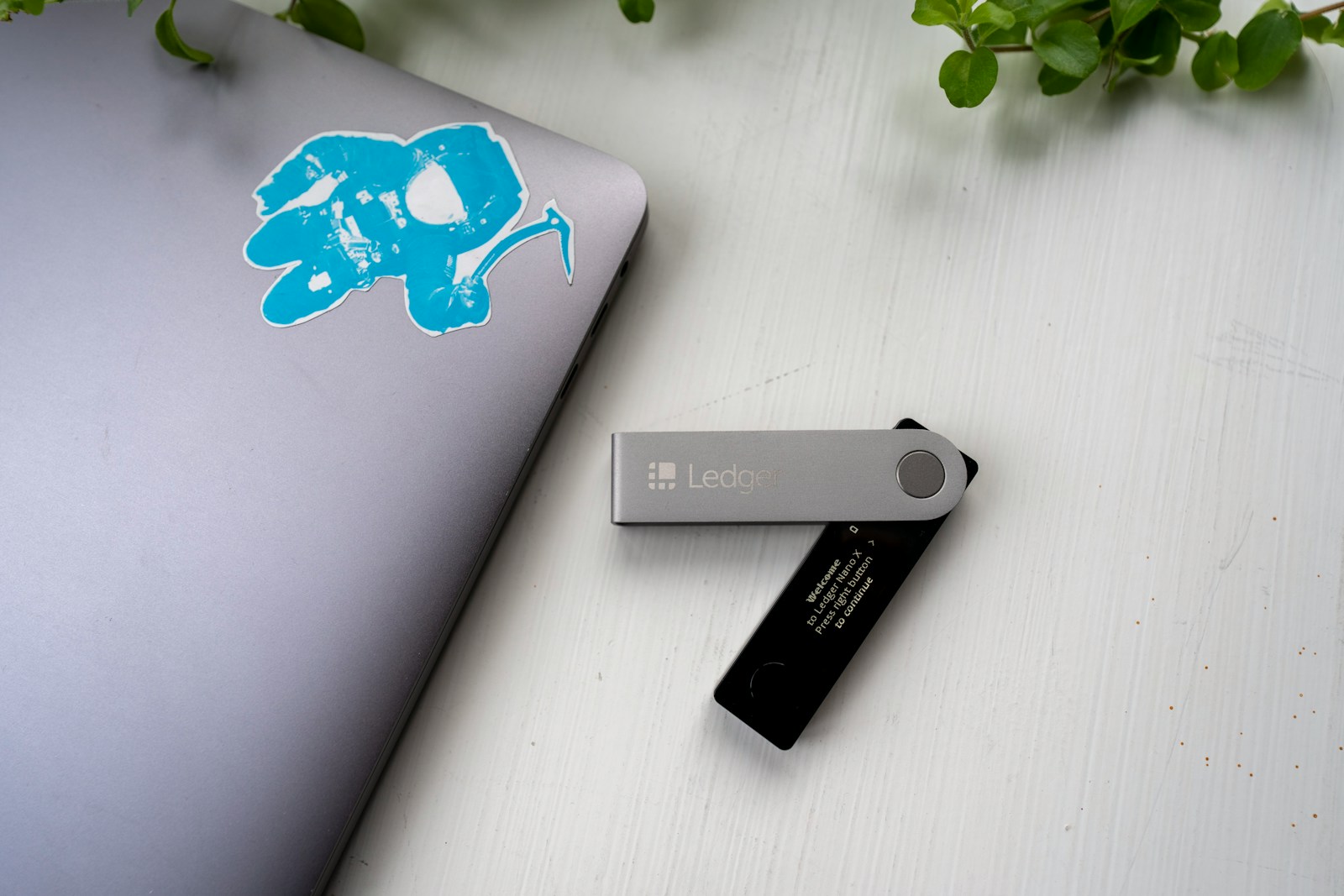
If security is your priority, Ledger’s Nano X offers advanced chip-level protection combined with Bluetooth connectivity for $149. In contrast, Trezor Model T, priced at around $219, provides an open-source firmware advantage and a touchscreen interface, enhancing both transparency and user experience. Both devices support multiple cryptocurrencies, but Ledger’s larger app ecosystem gives it the edge for diverse portfolios.
Recent breaches targeting software wallets highlight the importance of isolating private keys offline. These devices store sensitive data in secure elements or ARM processors designed to resist physical tampering. For instance, Ledger uses a certified Secure Element (SE) chip (ST33), while Trezor relies on a custom ARM Cortex-M4 CPU without SE but compensates with regular firmware audits. How much does this impact real-world safety? It depends on your threat model–Ledger’s hardware isolation is preferable against sophisticated attackers, whereas Trezor’s transparent code appeals to those valuing auditability.
Price remains a decisive factor: Entry-level models like Ledger Nano S start at just $59 but sacrifice some features such as Bluetooth and larger storage capacity. Meanwhile, Trezor One costs around $79 and supports fewer coins than its premium sibling. Choosing between them involves balancing budget constraints with desired functionalities and security assurances. This review also considers recent firmware updates improving usability and vulnerability patches, reflecting ongoing commitment from both manufacturers.
Hardware Wallet Comparison: Finding Your Perfect Match [Wallet & Security]
Choosing the right device for storing cryptocurrency hinges on balancing security protocols with usability features. Ledger and Trezor remain dominant contenders, each offering a distinct set of capabilities tailored to different user profiles. Ledger’s Nano X stands out with Bluetooth connectivity enabling mobile integration without sacrificing private key protection, using a secure element chip (CC EAL5+ certified) that isolates sensitive data from external threats.
Trezor Model T emphasizes transparency and open-source firmware, appealing to users who prioritize verifiable code over proprietary technology. Its touchscreen interface enhances user interaction compared to Ledger’s button-based navigation, while supporting a broad range of cryptocurrencies through its native software and third-party integrations like Exodus and Electrum.
Security Architecture and Threat Resistance
Examining security design reveals critical differences. Ledger employs a dual-chip architecture combining a secure element (SE) with a microcontroller, mitigating physical tampering risks significantly. In contrast, Trezor relies on a single ARM Cortex-M4 processor without an SE but compensates through strict hardware wallet isolation and PIN protection mechanisms. Both utilize BIP39 seed phrases for recovery; however, Ledger integrates passphrase support seamlessly within its firmware for enhanced defense against phishing attempts.
A notable case study involves the 2020 Ledger breach where customer data was leaked externally, yet no cryptographic keys were compromised due to robust offline key storage. Conversely, Trezor has faced fewer public incidents but remains vulnerable to physical side-channel attacks if devices are accessed by sophisticated adversaries. These factors underscore that security is multifaceted–device integrity combines hardware resilience with user practices.
Feature Set and Ecosystem Compatibility
The feature comparison extends beyond core security elements into ecosystem interoperability. Ledger Live software supports over 1,800 tokens with regular updates reflecting new standards like EIP-1559 for Ethereum gas optimization. This extensive asset coverage suits users managing diverse portfolios or engaging in DeFi platforms requiring multi-chain compatibility.
- Trezor Suite focuses on privacy-centric features such as coin control and integration with privacy coins like Monero via third-party applications.
- Ledger’s Bluetooth functionality allows wireless management but introduces potential attack vectors that some users may find unacceptable despite implemented safeguards.
- Trezor’s open-source nature invites community audits and custom firmware development, fostering innovation at the cost of slightly slower updates compared to Ledger’s centralized model.
Usability Considerations in Daily Operations
User experience often determines long-term satisfaction beyond raw technical specifications. Ledger offers compact form factor devices with extended battery life (up to 8 hours in Nano X), facilitating frequent transactions without tethering to desktops. Trezor’s larger design incorporates a color touchscreen simplifying transaction verification–a crucial anti-phishing measure often overlooked in button-only interfaces.
In practical terms, traders prioritizing mobility might favor Ledger’s cross-platform mobile support via iOS/Android apps, while those focused on maximum transparency and firmware auditability lean toward Trezor solutions. Both vendors provide backup seed phrase options stored offline; however, secure storage protocols must be maintained rigorously by users to prevent social engineering or theft scenarios common in physical device use cases.
Conclusion: Aligning Priorities With Device Strengths
Selecting between these leading custodial tools requires assessing specific needs: Is seamless multi-asset management paramount? Does the preference lie in open-source assurance or proprietary hardware-level encryption? The trade-off between convenience features like Bluetooth connectivity versus potential attack surfaces underscores differing philosophies in risk tolerance within crypto custody frameworks.
This objective overview should assist practitioners in selecting equipment aligned with operational requirements and threat models encountered within contemporary blockchain asset stewardship practices.
Evaluating device compatibility
Choosing a secure device for storing cryptocurrency requires thorough assessment of compatibility with various operating systems and interfaces. For instance, Ledger devices maintain broad support across Windows, macOS, Linux, and even certain mobile platforms via Bluetooth-enabled models like the Ledger Nano X. This extensive cross-platform functionality ensures users can manage assets through familiar environments without compromising security.
In contrast, Trezor models prioritize open-source software integration but have limited native mobile application support, relying instead on third-party apps or browser extensions such as Trezor Suite. This difference impacts user experience and accessibility depending on the preferred ecosystem. Evaluating these factors alongside network requirements is vital to avoid hardware-software mismatches that could impede asset management efficiency.
Technical interface standards and connectivity options
USB-C has become a critical standard in current devices, offering faster data transfer rates and improved durability compared to legacy USB-A ports. Both Ledger’s latest editions and Trezor Model T adopt USB-C connectors, facilitating seamless interaction with modern computers and smartphones equipped with compatible ports. However, Ledger’s inclusion of Bluetooth on select devices adds wireless convenience that some users find indispensable for mobile use-cases despite slightly increased attack surface concerns.
Moreover, understanding communication protocols like HID (Human Interface Device) over USB versus WebUSB influences how wallets interact with browsers and external apps. For example, Trezor uses WebUSB to enable direct browser connections without additional drivers, simplifying setup but potentially limiting compatibility with certain environments. Meanwhile, Ledger employs a combination of proprietary applications alongside USB HID protocols for a balance between security and usability.
The choice between these approaches hinges on individual needs: is immediate plug-and-play access more important than strict isolation? Does the intended usage involve multiple devices or primarily one trusted machine? These questions guide evaluation beyond superficial features to deeper technical fitment within existing workflows.
A critical consideration involves firmware update mechanisms which are tightly coupled with device connectivity methods. Devices requiring proprietary desktop applications may pose challenges in restrictive IT environments lacking installation privileges. Conversely, web-based interfaces leveraging browser APIs reduce friction but must be scrutinized for potential vulnerabilities introduced by third-party dependencies.
The price differential between models often reflects these technical nuances rather than mere brand value. While Trezor Model T commands a premium due to its touchscreen input and fully open-source design ethos enhancing transparency in security audits; Ledger balances cost-effectiveness with robust hardware-backed cryptography suited for both individual investors and institutional deployments alike.
Assessing security features
Choosing a secure physical device for storing private keys requires careful evaluation of its protection mechanisms. For example, Ledger devices incorporate a certified Secure Element (SE) chip that isolates cryptographic operations, significantly reducing attack vectors such as side-channel or fault injection attacks. In contrast, Trezor models rely on open-source firmware running on microcontrollers without SE chips but compensate with a transparent verification process and robust PIN protection. Both approaches have merits: Ledger’s hardware-based isolation offers strong physical tampering resistance, whereas Trezor emphasizes code auditability and user control.
Reviewing the authentication and recovery processes is equally critical. Ledger’s use of a secure enclave ensures that sensitive data never leaves the device unencrypted, even during firmware updates, while Trezor’s passphrase entry system adds an additional layer of defense against theft or phishing attempts. Comparing these features alongside price points–Ledger Nano S starting near $60 and Trezor Model One around $80–highlights trade-offs between cost and specific security functionalities. Notably, Ledger’s proprietary operating system limits third-party integrations but enhances attack surface minimization.
Examining recent incidents helps contextualize the practical implications of these technical choices. In 2020, Ledger experienced a data breach involving customer information rather than device compromise, underscoring how external factors like supply chain management impact overall safety. Meanwhile, Trezor has demonstrated resilience through rapid patch deployment in response to identified vulnerabilities within its open-source firmware. Such case studies reveal that continuous software support is as vital as initial hardware design when assessing long-term security reliability.
Advanced users might consider multi-factor authentication options integrated into some models or compatibility with multisignature schemes to mitigate single-point failures further. For instance, both brands support integration with third-party software enabling multi-sig wallets that distribute signing authority across multiple devices or participants. This capability often justifies higher upfront costs by dramatically reducing risk exposure to theft or loss. Ultimately, evaluating these protective features in conjunction with current market offerings enables informed decisions tailored to individual threat profiles and usability preferences.
User experience and interface
When selecting a secure device for managing cryptocurrencies, the user interface and overall experience are pivotal. Devices from Ledger, for example, offer intuitive navigation through their OLED screens and simple button controls, balancing ease of use with robust security protocols. The Ledger Nano S Plus provides an enhanced screen size compared to its predecessor, allowing clearer transaction details and reducing user errors during confirmation steps. This shift directly impacts operational efficiency without compromising the essential safety features.
Another critical aspect is firmware responsiveness and software integration. Devices that maintain seamless compatibility with popular management applications such as Ledger Live or third-party platforms like MetaMask often result in a smoother workflow. In recent reviews, users have highlighted that models priced between $60 and $150 typically differ significantly in speed and UI fluidity. For instance, devices at the higher end tend to incorporate faster chipsets, which accelerate cryptographic operations and reduce latency when signing transactions.
Security mechanisms embedded in these instruments also influence user interactions. Multi-factor authentication combined with secure element chips ensures that every command requires deliberate physical confirmation via hardware buttons. Some alternatives implement touchscreens or mobile app pairing through Bluetooth; however, these features can introduce additional attack vectors if not rigorously tested. A notable case study involves a comparative security assessment where Ledger’s closed-source firmware demonstrated fewer vulnerabilities than open-source counterparts relying on external interfaces.
Price differences reflect more than just build materials–they extend to feature sets affecting usability. Entry-level devices may lack comprehensive coin support or advanced passphrase options that higher-tier products include by default. For example, certain solutions enable hierarchical deterministic (HD) wallet structures with customizable derivation paths visible directly on-screen, enhancing transparency for power users managing multiple assets simultaneously. These capabilities contribute to both convenience and reduced risk of mismanaging keys.
The learning curve must be considered: while some gadgets cater to novices with guided setup wizards and simplified transaction flows, others prioritize flexibility over simplicity, targeting experienced operators who demand granular control over cryptographic parameters. A detailed review comparing several models revealed that wallets integrating real-time update notifications within their companion apps scored better in user satisfaction metrics by keeping owners informed about critical patches affecting system integrity.
Ultimately, the decision hinges on balancing feature richness against price constraints without undermining core security principles. Devices incorporating biometric verification or encrypted PIN entry push usability forward but require higher manufacturing costs reflected in retail prices starting around $120. Conversely, streamlined designs focused solely on offline key storage remain attractive for users prioritizing minimal attack surfaces despite offering less convenience during routine interactions. Understanding these trade-offs enables informed selection aligned with individual priorities in asset protection and everyday operation.
Price versus functionality: balancing cost, security, and features
Choosing between devices like Ledger’s Nano S and Nano X often boils down to evaluating whether additional functionalities justify their price differences. The Nano S retails around $59, focusing on core security protocols and supporting over 1,800 tokens, while the Nano X at approximately $149 adds Bluetooth connectivity, a larger screen, and enhanced multi-asset management. This raises the question: does paying a premium translate into meaningful operational advantages for most users?
From a technical perspective, Ledger’s architecture maintains robust security across models by isolating private keys within certified secure elements (SE). Yet, features such as wireless interaction in pricier units introduce new attack surfaces–requiring rigorous firmware updates and audit trails. Thus, higher cost doesn’t always equate to exponentially better protection but can facilitate convenience and scalability in portfolio management.
Analytical review of price-to-feature dynamics
- Security foundation: Both entry-level and advanced devices employ secure chips compliant with Common Criteria EAL5+ standards. The marginal gain in security between them is negligible; it’s the same hardware root of trust underpinning all Ledger models.
- Functional enhancements: The added storage capacity on premium devices supports simultaneous management of up to 100 apps versus about 20 on budget options. For active traders or institutional users juggling multiple blockchains–Ethereum Layer 2s, Binance Smart Chain, Solana–this difference impacts workflow significantly.
- User experience trade-offs: Bluetooth-enabled gadgets facilitate mobile usage but require careful risk assessment concerning potential wireless exploits. Offline-only variants reduce attack vectors but limit accessibility.
- Firmware and ecosystem support: Regular firmware upgrades improve resilience against emerging threats regardless of device tier; however, advanced models receive feature-first updates enhancing multi-chain compatibility ahead of others.
A recent market analysis indicates that casual holders prioritizing cold storage might opt for lower-cost devices without sacrificing essential protections. Conversely, professionals requiring real-time asset monitoring benefit from investing in comprehensive solutions despite steeper initial outlays. Notably, transaction throughput remains constrained by USB or Bluetooth bandwidth rather than processor speed–a factor seldom highlighted in marketing materials but critical when syncing large wallets.
The trajectory of future developments suggests that integration with decentralized identity frameworks and multi-factor biometric authentication could redefine value propositions beyond mere price tiers. Additionally, enhanced interoperability through open-source firmware may shift current vendor lock-in paradigms–potentially democratizing access to advanced capabilities irrespective of upfront costs.
This ongoing evolution necessitates a nuanced approach: decisions should weigh both immediate financial constraints and long-term adaptability needs within rapidly maturing blockchain infrastructures. Ultimately, selecting a secure key custody solution demands aligning product attributes with specific use cases rather than defaulting to price as an isolated metric.