 Mark
Mark
The cryptocurrency ecosystem has matured significantly since Bitcoin’s inception in 2009. What started as a peer-to-peer electronic cash system has evolved into a sophisticated financial infrastructure encompassing decentralized finance, smart contracts, and now—practical payment solutions. In 2026, crypto payment cards represent the critical bridge between blockchain technology and mainstream commerce, enabling users to spend their digital assets anywhere Visa or Mastercard is accepted.
This technological convergence addresses a fundamental challenge that has limited cryptocurrency adoption: the friction between holding digital assets and using them for everyday purchases. While crypto enthusiasts have long praised Bitcoin and Ethereum as superior stores of value and mediums of exchange, the practical reality of converting crypto to fiat, waiting for settlement, and managing multiple accounts has created significant barriers to widespread usage.
Crypto payment cards eliminate these friction points through real-time conversion technology, regulatory compliance frameworks, and seamless integration with traditional payment networks. PayPilot and similar providers are pioneering this space, offering European-focused solutions that prioritize security, transparency, and user control while adhering to emerging regulatory standards like the Markets in Crypto-Assets (MiCA) regulation.
Technical Architecture of Crypto Payment Cards
Understanding the technology behind crypto payment cards reveals why they represent a significant innovation in financial infrastructure. These systems operate through multiple integrated layers that work in concert to enable instant, secure transactions.
At the foundation lies the blockchain layer, where users’ digital assets reside in non-custodial or semi-custodial wallets. When a payment is initiated, smart contracts facilitate the release of cryptocurrency from the user’s wallet to the platform’s conversion engine. This engine aggregates real-time pricing data from multiple exchanges—typically including Binance, Kraken, Coinbase, and regional platforms—to determine optimal exchange rates and minimize slippage.
The conversion happens instantaneously, often in under two seconds, with the selected cryptocurrency converted to fiat currency at the point of sale. This converted amount is then transmitted through traditional payment rails (Visa or Mastercard networks) to the merchant, who receives standard fiat currency settlement without ever interacting with blockchain technology directly.
Security measures are comprehensive: end-to-end encryption protects all data transmission, multi-signature authorization prevents unauthorized transactions, cold storage houses the majority of platform assets, and real-time fraud detection systems monitor for suspicious activity. These protections mirror and often exceed those found in traditional banking, addressing concerns about crypto security that have historically limited mainstream adoption.
PayPilot Card: European Compliance and User Experience
PayPilot Card distinguishes itself through rigorous adherence to European Union regulatory frameworks. Following the implementation of MiCA regulation in 2024, crypto service providers operating in the EU must meet stringent requirements around consumer protection, operational resilience, and financial transparency. PayPilot’s full compliance provides users with legal protections comparable to traditional financial services.
The platform supports a comprehensive range of digital assets beyond Bitcoin and Ethereum, including Litecoin, Cardano, Polkadot, and major stablecoins like USDT, USDC, and DAI. This multi-asset support allows users to optimize their spending strategy—for example, using stablecoins for everyday expenses to minimize tax reporting complexity, while preserving volatile assets like Bitcoin for long-term appreciation.
Fee structures are transparent and competitive: conversion fees typically range from 1% to 1.5%, ATM withdrawals incur a flat fee of approximately €2-3, and there are no monthly maintenance fees for standard accounts. Virtual cards are provided immediately upon account approval at no cost, while physical cards carry a one-time issuance fee of around €10.
The mobile application serves as a comprehensive control center, offering real-time balance visibility across all supported cryptocurrencies, detailed transaction histories with complete fee breakdowns, customizable security controls including geographic restrictions and spending limits, and 24/7 multilingual customer support. User onboarding is streamlined: registration takes approximately 10 minutes, KYC verification typically completes within 24 hours, and virtual cards activate immediately for online purchases.
Real-World Use Cases and Economic Benefits
The practical applications of crypto payment cards extend across numerous user profiles and scenarios. Freelancers and contractors receiving international payments in cryptocurrency can immediately spend their earnings without converting through exchanges and waiting for bank transfers—eliminating 2-3 day settlement periods and reducing fees by up to 2%.
For travelers and digital nomads, crypto payment cards offer substantial savings on foreign exchange fees. Traditional banks typically charge 2.5-4% for currency conversion, while crypto cards levy 1-1.5% fees. On annual spending of €30,000, this difference translates to savings of €300-€750. Stablecoin users can effectively maintain a multi-currency account without traditional banking relationships, accessing optimal exchange rates on demand.
Investors holding appreciating cryptocurrencies face a common dilemma: selling positions to access liquidity triggers capital gains taxes and exits potentially profitable trades. Crypto payment cards provide a solution by allowing fractional spending of portfolios while maintaining the majority of holdings intact. This approach optimizes both tax efficiency and investment strategy, particularly valuable during bull markets when realizing gains incrementally is advantageous.
According to recent analysis from CoinDesk, transaction volumes on crypto payment cards have grown by over 300% year-over-year, indicating rapidly increasing mainstream adoption. This growth is driven by improving user experiences, expanding merchant acceptance, and growing comfort with cryptocurrency among traditional consumers.
Security Considerations and Best Practices
Security remains paramount in the cryptocurrency ecosystem, where irreversible transactions and the absence of traditional fraud protections create unique risks. Crypto payment card users must understand both platform-level security measures and personal security responsibilities.
Reputable providers implement institutional-grade security: TLS 1.3 encryption for data transmission, AES-256 encryption for stored data, hardware security modules (HSMs) for cryptographic key management, and cold storage for the majority of user assets. Multi-signature wallet architecture requires multiple keys to authorize significant transactions, preventing single points of failure that could lead to catastrophic losses.
Users bear responsibility for account security practices. Essential measures include using strong, unique passwords generated by password managers, enabling two-factor authentication (2FA) through authenticator apps rather than SMS, securing seed phrases in physical storage never digitally, protecting devices with biometric authentication and updated software, and maintaining vigilance against phishing attempts by carefully verifying URLs and email addresses.
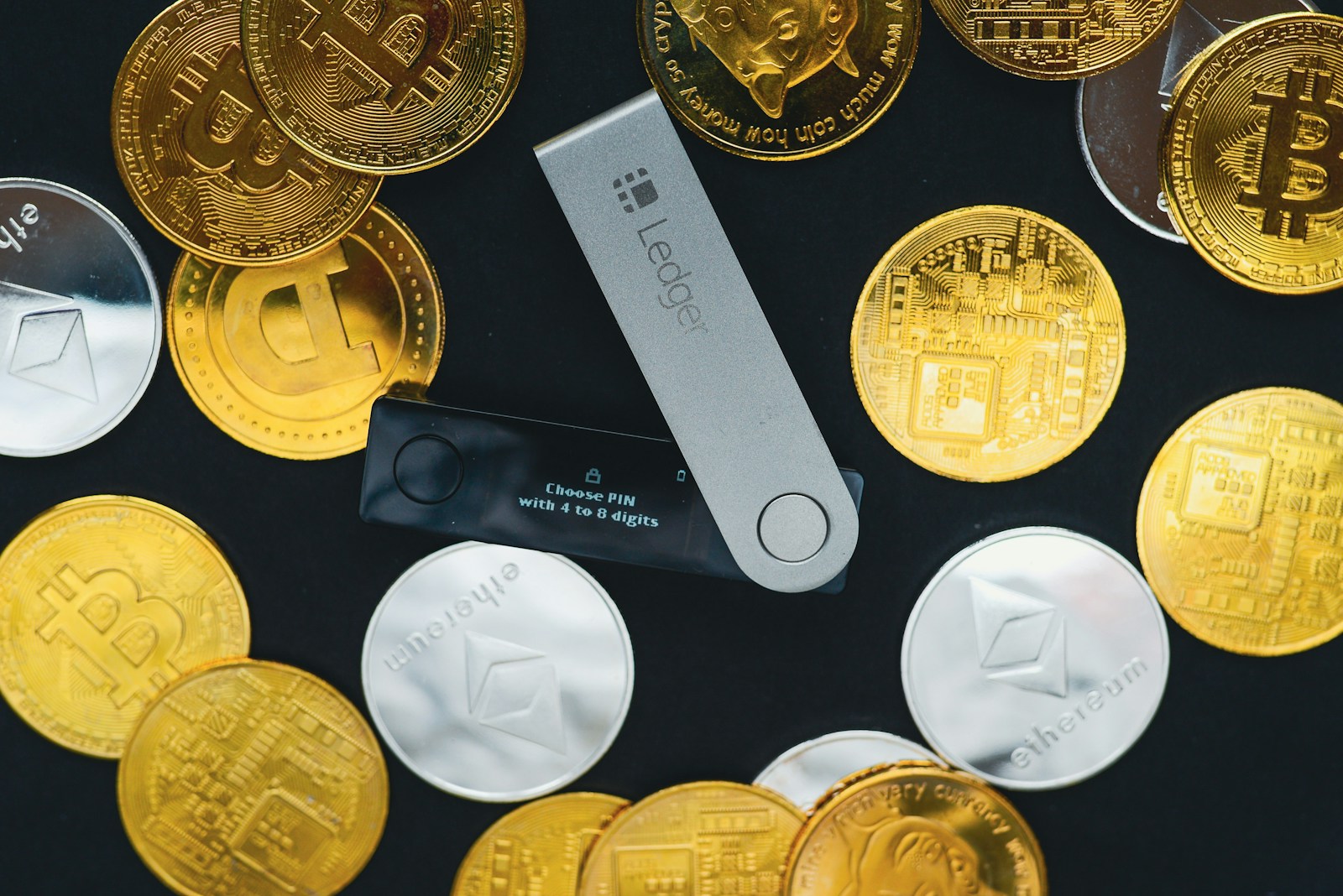
Risk management strategies include treating crypto payment cards like checking accounts—maintaining only funds needed for near-term spending while storing larger holdings in more secure cold storage solutions like hardware wallets (Ledger, Trezor). Setting appropriate spending limits and enabling real-time transaction notifications allows users to quickly identify and respond to unauthorized activity.
Research from Chainalysis, a leading blockchain analysis firm, indicates that user error and poor security hygiene account for the majority of crypto losses, rather than platform vulnerabilities. This underscores the importance of user education and diligent security practices.
Tax Implications and Regulatory Compliance
Understanding tax obligations is crucial for crypto payment card users. In most jurisdictions including the United States, United Kingdom, and EU member states, spending cryptocurrency constitutes a taxable disposal event. Each transaction triggers a capital gains calculation comparing the cryptocurrency’s cost basis to its fair market value at the time of spending.
For frequent users, this creates substantial record-keeping requirements. Fortunately, compliant platforms like PayPilot generate detailed transaction reports including dates, amounts, exchange rates, cost basis calculations, and realized gains or losses. These reports can be exported for tax preparation software or provided to tax professionals, significantly simplifying compliance.
Strategies for tax efficiency include prioritizing stablecoins for daily expenses to minimize taxable events, since their value remains relatively constant. Holding volatile cryptocurrencies for longer than one year (in many jurisdictions) qualifies gains for preferential long-term capital gains rates, which are substantially lower than short-term rates. Spending cryptocurrency acquired at higher cost bases minimizes taxable gains—a strategy known as specific identification.
The IRS guidance on virtual currencies provides detailed information for U.S. taxpayers, while EU member states follow directives outlined by the European Commission. Users should consult tax professionals familiar with cryptocurrency regulations in their specific jurisdiction, as rules vary significantly across countries.
The Future of Crypto Payment Infrastructure
The crypto payment card market in 2026 represents just the beginning of broader integration between blockchain technology and daily commerce. Several emerging trends promise to expand functionality and adoption significantly.
DeFi integration will enable next-generation cards to automatically earn yield on balances through lending protocols or liquidity provision, access credit lines based on on-chain credit scores, and participate in protocol governance. This transforms payment cards from simple spending tools into comprehensive financial management platforms.
Layer 2 scaling solutions like Lightning Network for Bitcoin and Polygon for Ethereum enable near-zero-cost transactions with instant settlement. As these technologies mature and integrate with payment cards, micro-transactions become economically viable—imagine paying a few cents for a coffee with negligible fees, something currently impractical on Layer 1 blockchains.
Programmable payments through smart contracts will enable sophisticated automation: subscription services that draw from crypto balances automatically, conditional payments that execute only when specific criteria are met, automated savings that divert percentages of spending to investment accounts, and cross-chain transactions that optimize blockchain selection for each payment.
Central Bank Digital Currencies (CBDCs) are being developed by over 100 countries according to the Atlantic Council’s CBDC Tracker. As these launch, crypto payment cards will likely support both private cryptocurrencies and state-backed digital currencies, creating interesting dynamics where users can choose between decentralized and centralized options based on their needs.
Enhanced rewards and loyalty programs will emerge as competition intensifies. Dynamic rewards adjusting based on merchant categories, cryptocurrency-specific cashback where users earn Bitcoin when spending stablecoins, staking rewards for maintaining balances, and NFT-based loyalty programs providing unique benefits all represent probable innovations.
Comparing Provider Options
The crypto payment card market features several established providers with distinct value propositions. Binance Card offers zero conversion fees for BNB token holders and extensive crypto support but faces regulatory challenges in some regions. Crypto.com Visa Card provides tiered rewards up to 8% cashback but requires significant token staking for premium tiers. Nexo Card offers a unique credit line model allowing users to borrow against holdings without selling, though this introduces liquidation risks during market downturns.
PayPilot Card positions itself as a balanced European solution emphasizing regulatory compliance, transparent fees, and user sovereignty over assets. It doesn’t require staking proprietary tokens, provides genuine crypto ownership with withdrawal capabilities, and prioritizes security through established EU regulatory frameworks. For users valuing these attributes over maximum rewards or leverage options, PayPilot represents a measured choice.
Getting Started: Practical Guide
Beginning with a crypto payment card involves several straightforward steps. First, ensure you have government-issued identification, a smartphone for KYC verification, some cryptocurrency in a wallet or exchange, and valid contact information. Visit the provider’s website (https://www.paypilot.org for PayPilot) and complete registration by providing basic information and creating a strong password.
Complete identity verification by uploading clear photos of identification documents and taking a selfie video per platform instructions. Automated systems typically process verification within hours. Set up your crypto wallet—either create a new wallet within the platform or connect an existing wallet via WalletConnect. Critically, secure your seed phrase offline in a safe location.
Fund your account by transferring cryptocurrency from an exchange or another wallet to your card platform address. Verify the correct network and start with a small test transaction before sending larger amounts. Choose between virtual cards (immediately available) and physical cards (delivered in 7-10 business days). Configure security settings including spending limits, notifications, and two-factor authentication.
Make a small test purchase to familiarize yourself with the process, observing how transactions appear in the app, noting exchange rates and fees, and confirming settlement times. Once comfortable, integrate the card into your regular spending routine while maintaining appropriate security practices and tax record-keeping.
Conclusion: The Convergence of Crypto and Commerce
Crypto payment cards represent a pivotal innovation in cryptocurrency’s evolution from speculative asset to practical medium of exchange. By seamlessly integrating blockchain technology with traditional payment infrastructure, these tools deliver the benefits of digital assets—financial sovereignty, borderless transferability, inflation resistance—while maintaining the convenience and universal acceptance of established payment networks.
PayPilot Card and similar solutions demonstrate that cryptocurrency’s original vision as peer-to-peer electronic cash is achievable through infrastructure that integrates with rather than replaces existing systems. For users, this integration offers optimal outcomes: crypto innovation combined with traditional finance convenience.
However, these tools require thoughtful consideration. Tax implications, security responsibilities, fee structures, and provider selection all demand careful evaluation. The intersection of cryptocurrency and traditional finance creates complexities absent in purely traditional or purely crypto-native systems.
As we progress through the remainder of the 2020s, crypto payment cards will evolve significantly through DeFi integration, Layer 2 scaling, programmable payments, and regulatory maturation. Competition among providers will drive innovation in rewards, features, and pricing. The distinction between “crypto card” and “payment card” may ultimately become meaningless—all cards supporting both fiat and digital assets interchangeably.
For those exploring this technology in 2026, the approach should be measured: start small, learn the systems, understand implications, and gradually integrate these tools into financial strategies aligned with personal goals. Whether maximizing crypto portfolio utility, reducing international transaction costs, maintaining financial sovereignty, or simply exploring cutting-edge financial technology, crypto payment cards offer practical entry points into the future of money.
The revolution proceeds incrementally, but with tools like PayPilot Card making cryptocurrency accessible for everyday transactions, we’re witnessing the gradual transformation of global commerce—one purchase at a time.