 Mark
Mark
To launch a profitable rig in your cellar, prioritize efficient hardware with high hash rates and manageable power consumption. For instance, the Antminer S19 Pro delivers around 110 TH/s at approximately 3250W, making it a solid choice for enthusiasts balancing output and electricity costs. Proper ventilation and cooling solutions are non-negotiable; without them, equipment throttling or failure becomes inevitable.
DIY assembly demands careful planning of space and electrical infrastructure. Consider dedicated circuits rated for at least 20 amps to avoid overloads when running multiple GPUs or ASIC units simultaneously. Recent firmware updates have enabled dynamic frequency scaling on popular models, allowing operators to optimize performance during peak energy pricing hours–a useful feature for those mindful of utility bills.
Turning a small-scale rig into a substantial operation requires incremental scaling paired with consistent monitoring tools. Open-source platforms like Hive OS or Awesome Miner facilitate real-time diagnostics and remote control over dozens of devices, streamlining maintenance tasks significantly. Have you factored in redundancy? Adding backup power supplies can prevent data loss during outages, safeguarding your crypto generation efforts from unexpected interruptions.
The current market favors coins with lower difficulty adjustments but steady liquidity–Ethereum Classic and Ravencoin remain attractive alternatives as Bitcoin’s competition stiffens. Diversifying equipment across algorithms can also hedge against sudden shifts in mining profitability tied to network upgrades or regulatory changes. Ultimately, success hinges on blending technical know-how with strategic asset allocation within your personal digital currency venture.
Home mining setup: basement to blockchain empire [Mining & Staking mining]
To establish a robust cryptocurrency extraction system within your residential space, start by selecting an area with stable temperature control and adequate ventilation–often a cellar or garage fits these criteria. Prioritize equipment that balances hash rate efficiency with power consumption; for example, ASIC miners like the Antminer S19 Pro provide around 110 TH/s at approximately 3250W, which suits substantial operations without excessive electrical strain. Proper airflow management and dust filtration become critical when multiple units operate continuously, preventing thermal throttling and hardware degradation.
Integrating proof-of-stake (PoS) validation alongside traditional proof-of-work rigs can diversify income streams while reducing energy costs. Running nodes on staking-capable blockchains such as Ethereum 2.0 or Cardano requires comparatively modest hardware–a VPS or dedicated PC with reliable uptime suffices–and locking tokens secures rewards proportional to stake size. This hybrid approach leverages computational intensity where profitable, while maintaining passive revenue through token commitment.
Technical considerations for DIY equipment deployment
DIY assembly of mining devices demands meticulous attention to component compatibility and firmware optimization. Selecting motherboards with multiple PCIe slots enables expansion beyond single GPU configurations; models like ASUS B250 Mining Expert support up to 19 GPUs simultaneously. Power supply units (PSUs) should maintain a minimum efficiency rating of 80 Plus Gold to reduce electricity waste and heat output. Firmware modifications such as Hive OS or custom BIOS tweaks can enhance hashrate by 5-15%, but require testing under load conditions to avoid instability.
Environmental factors inside enclosed spaces directly impact operational lifespan and profitability. Installing temperature sensors connected to automated fan controllers mitigates overheating risks, especially during seasonal fluctuations common in underground rooms or garages lacking climate control systems. Noise insulation also plays a role if the location shares living quarters; materials like acoustic foam panels reduce decibel levels by up to 30%, improving comfort without compromising airflow.
- Power infrastructure: Assess circuit capacity before scaling rigs; many residential breakers cap at 20A per line, limiting simultaneous device operation.
- Network stability: Opt for wired Ethernet connections over Wi-Fi to minimize latency and packet loss during pool synchronization.
- Security protocols: Implement multi-factor authentication and segregated networks for remote management tools to protect against cyber threats.
A comparative case study illustrates economic viability: a miner operating from a suburban garage deployed ten Nvidia RTX 3080 GPUs achieving around 860 MH/s total hashrate at roughly 2800W consumption. Coupled with staking 32 ETH on Ethereum’s Beacon Chain yielding an annual percentage rate (APR) near 5%, the combined returns offset hardware amortization within two years under mid-2024 electricity rates averaging $0.12/kWh in the region.
The trajectory from modest residential installations toward large-scale decentralized validation networks underscores scalability potential inherent in combining extraction methods and infrastructure upgrades. Continuous monitoring via open-source dashboards supports proactive maintenance and performance tuning, essential as network difficulty adjusts dynamically. While commercial farms benefit from economies of scale unavailable in personal environments, careful planning transforms limited spaces into efficient nodal points contributing meaningfully to global ledger security.
Choosing Hardware for Mining
Prioritize ASIC miners when targeting maximum efficiency and hash rate per watt. Devices like the Antminer S19 Pro deliver up to 110 TH/s at approximately 3250W, offering a proven balance between power consumption and output. For enthusiasts with limited space–perhaps transforming a garage corner or repurposing existing basement equipment–this type of hardware minimizes footprint while maintaining competitive performance. GPU rigs still hold value for altcoins but often lag behind ASICs in raw efficiency, especially under current network difficulties.
Thermal management remains critical throughout any rig construction. Equipment placed in confined areas such as garages or basements requires strategic airflow planning to prevent overheating and reduce thermal throttling. Industrial-grade fans combined with open-frame chassis have demonstrated effectiveness in keeping operating temperatures below 70°C, extending hardware lifespan and stabilizing hash rates. Failure to address cooling can lead to sudden drops in hashrate or complete shutdowns, directly impacting profitability.
Component Selection and Power Considerations
Selecting power supplies that provide consistent wattage is non-negotiable. High-quality PSUs with an 80 Plus Gold or Platinum rating ensure stable voltage delivery under load, reducing the risk of hardware damage. For example, deploying multiple Corsair RM850x units in parallel configurations supports modular scalability if expanding from a DIY single-rig to multi-unit operations spanning several rooms or floors within a property. Avoid generic power adapters; their inefficiency leads to energy losses upwards of 15% and potential safety hazards.
Motherboards tailored for mining incorporate features such as multiple PCIe slots spaced adequately for heat dissipation and integrated support for remote monitoring software. The ASRock H110 Pro BTC+ is a widely adopted choice due to its capacity to handle up to 13 GPUs simultaneously, which suits builders aiming at gradually increasing their computational resources without immediate full-scale investment. Proper wiring harnesses and risers also contribute significantly to signal integrity and operational stability.
- ASIC miners: Efficient for high-volume SHA-256 coin mining
- GPU rigs: Versatile but less energy efficient on Bitcoin networks
- Power Supplies: Opt for certified, high-efficiency units over budget models
- Cooling Solutions: Use industrial fans & open frames to mitigate heat build-up
The economic viability of any collection of devices depends heavily on electricity costs within your geographic region as well as available infrastructure within your chosen location–be it a renovated garage or converted cellar space. Recent case studies from Eastern European hobbyists reveal that pairing mid-range ASICs with solar-assisted power schemes can reduce operational expenses by up to 30%, increasing net revenue margins substantially when traditional utility prices soar.
An incremental approach–starting small with selected equipment before scaling–often yields better returns than large upfront expenditures on numerous units at once. This strategy allows operators to refine environmental controls, adjust firmware settings specific to device models, and assess real-world hashrates versus theoretical benchmarks published by manufacturers. With careful planning, what begins as a modest computer cluster tucked away in an unassuming room can evolve into a significant computational force integral to distributed ledger validation processes worldwide.
Optimizing Basement Environment
Maintaining a controlled atmosphere is vital when deploying cryptocurrency extraction units in confined spaces such as cellars or garages. Temperature regulation directly influences the operational efficiency and lifespan of specialized hardware. For instance, ASIC devices typically operate optimally between 15°C and 25°C; exceeding this range increases failure rates by up to 30%, according to recent manufacturer data. Installing industrial-grade ventilation systems or high-capacity exhaust fans can reduce ambient heat accumulation, preventing thermal throttling and unexpected shutdowns.
Humidity control is another critical factor often overlooked in DIY projects involving cryptographic ledger validation equipment. Moisture levels above 60% can cause corrosion on circuit boards and connectors, leading to degraded performance or complete unit failure over months of continuous operation. Dehumidifiers designed for enclosed mechanical rooms ensure moisture remains below recommended thresholds, safeguarding investment in expensive components while minimizing maintenance costs.
Environmental Adjustments for Optimal Performance
Noise mitigation is frequently necessary when allocating computational rigs within residential structures like basements or converted garages. Soundproofing solutions–ranging from acoustic foam panels to vibration dampening mounts–reduce decibel output from powerful cooling fans and power supplies. Case studies demonstrate that retrofitting noise barriers can decrease sound levels by 10-15 dB, improving habitability without compromising airflow essential for heat dissipation.
Electrical infrastructure upgrades must accompany any scaling of domestic blockchain validation arrays. High-wattage equipment demands stable circuits capable of handling peak loads exceeding 5 kW per rack unit. Implementing dedicated subpanels with surge protection safeguards against voltage fluctuations that could damage sensitive electronics. Additionally, integrating uninterruptible power supplies (UPS) prevents data loss during outages, maintaining uninterrupted ledger synchronization critical in competitive distributed networks.
Configuring Mining Software
Optimal configuration of mining applications begins with selecting software compatible with the chosen hardware and the cryptocurrency network protocol. For example, when deploying ASIC devices targeting SHA-256 coins, firmware that supports custom pool configurations and real-time hash rate monitoring is preferred. Popular options like CGMiner or BFGMiner provide CLI interfaces enabling precise control over thread counts, intensity levels, and fan speeds, critical for maximizing output in constrained environments such as a garage rig.
Adjusting parameters like work size and GPU clock rates directly influences efficiency and stability. In practice, DIY enthusiasts operating rigs in confined spaces have reported up to 15% hash rate improvements by fine-tuning thread concurrency settings within Ethash miners like PhoenixMiner. However, increased performance often elevates power draw and thermal output–factors that require balancing via software-controlled throttling or dynamic voltage adjustments to prevent premature hardware degradation.
Software Integration with Network Pools and Security
Connecting mining nodes to reliable pools demands accurate configuration of stratum URLs, port numbers, and wallet addresses. Pool selection impacts latency and payout frequency; thus, geographically proximate servers reduce stale shares. Moreover, implementing SSL/TLS encrypted connections minimizes risks associated with man-in-the-middle attacks during data transmission. Certain advanced clients offer built-in failover mechanisms switching automatically between multiple pools if one becomes unresponsive.
Security extends beyond encryption–config files should exclude plaintext wallets or sensitive credentials. Employing environment variables or hardware security modules (HSM) can safeguard keys during operation. Additionally, logging verbosity must be balanced: detailed logs assist troubleshooting but may expose operational patterns exploitable by adversaries monitoring system metadata remotely.
Real-world case studies from small-scale setups converted garages into profitable ventures demonstrate that continuous software updates incorporating protocol changes are imperative. For instance, Ethereum’s shift from Ethash to proof-of-stake necessitates retooling miner software to avoid wasted computational effort on deprecated algorithms. Automation scripts scheduling periodic updates help maintain compatibility without manual intervention.
Finally, user interfaces vary widely–from command-line utilities favored by seasoned operators to GUI wrappers designed for ease of use in residential installations. Choosing an interface aligned with operator skill level optimizes responsiveness during parameter tweaking sessions required under fluctuating market conditions or electrical tariffs. Ultimately, the precision of initial configuration combined with adaptive management tools determines whether a modest rig evolves into a scalable blockchain venture.
Setting up staking wallets
To establish a reliable staking wallet, prioritize hardware that ensures continuous uptime and security. Many enthusiasts repurpose spare computers from their garage or DIY network-attached storage devices to run validator nodes. For example, an energy-efficient Raspberry Pi 4 with at least 8GB RAM paired with a solid-state drive (SSD) offers a low-cost yet stable environment for staking operations, especially on proof-of-stake networks like Ethereum 2.0 or Cardano.
Network connectivity plays a crucial role in maintaining consensus participation and maximizing rewards. A wired Ethernet connection is preferred over Wi-Fi to reduce latency and packet loss, which can cause missed attestations or penalties. Real-world setups located in makeshift operational rooms reveal that fluctuations above 100ms round-trip time can decrease effective staking yields by up to 5%, emphasizing the importance of robust internet infrastructure alongside suitable equipment.
Security and software considerations
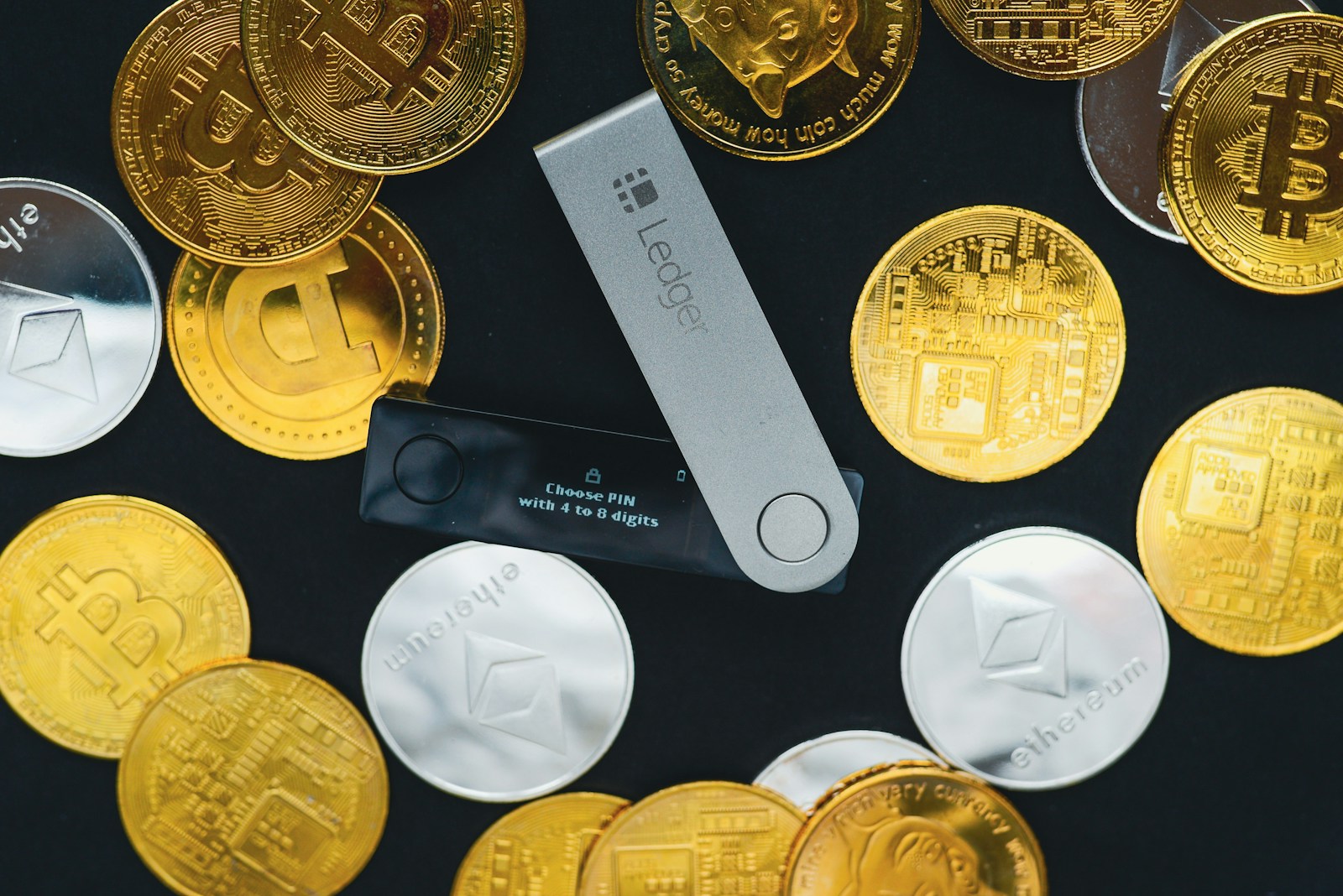
Deploying dedicated wallets demands rigorous security protocols to protect private keys from unauthorized access or theft. Hardware wallets integrated with staking interfaces–such as Ledger Nano X combined with MetaMask–enable secure delegation without exposing sensitive data online. In contrast, some validators use cold storage solutions in secluded spaces within their premises, minimizing attack surfaces but requiring additional manual processes during node upgrades.
Software compatibility varies across different blockchain ecosystems; therefore, selecting clients optimized for your targeted network is vital. For instance, Prysmatic Labs’ Prysm client excels in Ethereum consensus layer validation but requires at least 16GB RAM when paired with full beacon chain synchronization. Conversely, lightweight alternatives like Nimbus can operate on constrained hardware but might sacrifice some performance stability under high load conditions commonly observed during network upgrades.
Finally, consider power management strategies typical for small-scale operational hubs converting underutilized areas into efficient validator stations. Employing uninterruptible power supplies (UPS) guards against sudden outages seen frequently in suburban residential zones, preventing slashing risks associated with downtime. Case studies demonstrate that investing approximately $150–200 in surge protection and backup power yields tangible improvements in node reliability and long-term profitability within competitive staking environments.
Monitoring Performance and Security in a DIY Crypto Operation
Continuous tracking of your equipment’s hash rate and power consumption is vital for maintaining profitability and preventing downtime in a personal cryptocurrency rig. Tools like Hive OS or Minerstat provide real-time telemetry, enabling users to detect performance drops or hardware malfunctions early. For instance, a 5-10% decline in hash rate over 24 hours often signals thermal throttling or deteriorating GPU health. Integrating automated alerts via SMS or email enhances response time, minimizing lost revenue and hardware stress.
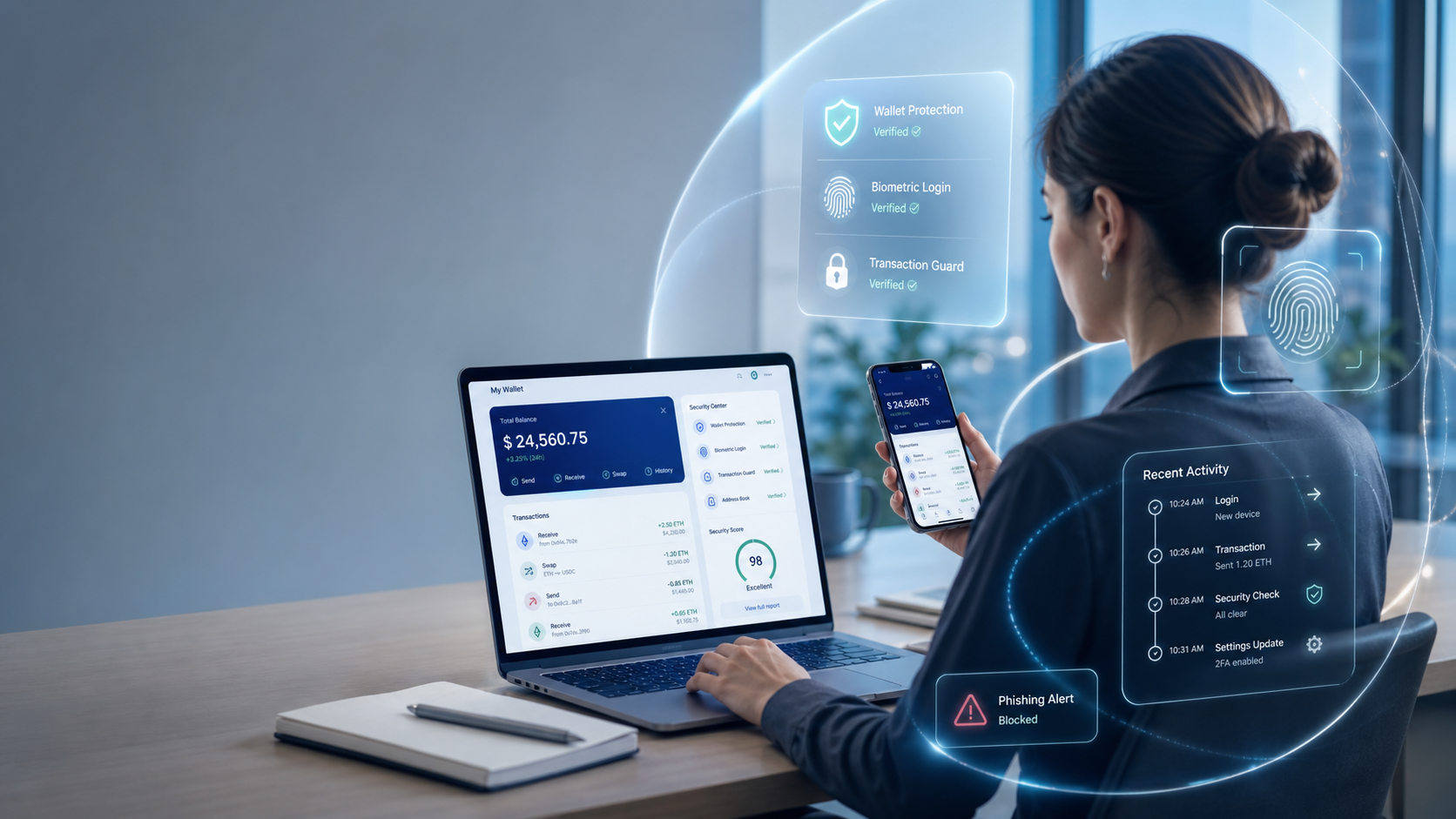
Security must be prioritized alongside operational efficiency. Vulnerabilities arise not only from software exploits but also from physical access weaknesses common in DIY environments such as repurposed storage areas. Implementing multi-factor authentication on management platforms, regular firmware updates for ASICs or GPUs, and segregating the mining network from home internet reduces attack surfaces. In 2023, an incident involving compromised rigs due to outdated remote management protocols resulted in losses exceeding $150K across several small-scale operators–an avoidable scenario through strict security hygiene.
Performance Metrics: What to Monitor and How
Key indicators include hash rate stability, energy consumption per terahash (TH), temperature thresholds, and fan speed consistency. Consider an Antminer S19 Pro operating at 110 TH/s with an average power draw of 3250W; monitoring fluctuations beyond ±3% can reveal inefficiencies or component aging. Deploying industrial-grade thermistors near critical chips allows precise thermal profiling; overheating above 85°C typically triggers automatic downclocking, reducing output drastically. Data logging over weeks assists in identifying patterns linked to ambient conditions or dust accumulation.
Another practical approach involves benchmarking against baseline values established during initial deployment under controlled conditions. Comparing daily averages highlights anomalies quickly–such as sudden spikes in current draw that may indicate failing capacitors or poor solder joints. Moreover, some enthusiasts incorporate AI-driven predictive maintenance algorithms leveraging historical data sets to forecast imminent failures before they manifest physically.
Securing a DIY Crypto Rig: Beyond Basic Measures
Physical security extends beyond locked doors; environmental controls preventing moisture ingress and electrostatic discharge are essential for longevity. Grounded outlets with surge protection safeguard expensive electronics from power surges common in residential areas prone to electrical noise. Network segmentation using VLANs or dedicated firewalls isolates mining devices from general household traffic, reducing exposure to malware vectors like cryptojacking scripts that exploit open SSH ports.
- Firmware integrity checks: Employ cryptographic signatures during updates to prevent tampering.
- Access logs: Maintain detailed records of login attempts and administrative actions.
- Regular audits: Conduct vulnerability scans using tools such as Nessus tailored for IoT-like mining equipment.
A notable case study involved a European enthusiast who lost access to multiple GPUs after neglecting firmware patching; attackers installed backdoors exploiting known CVEs within two days of release–a cautionary example underscoring proactive defense necessity.
The Impact of Local Environment on System Stability
The choice of location within a residential property significantly affects operational reliability. Reusing poorly ventilated storage rooms without humidity control can accelerate corrosion on circuitry while contributing to thermal hotspots that degrade performance exponentially over time. Installing HVAC units calibrated for constant airflow combined with particulate filters extends hardware life by maintaining temperatures below 30°C consistently–crucial when deploying high-density rigs exceeding 3000W total consumption.
This quantitative approach allows operators transitioning from hobbyist rigs toward professional-grade operations to scale effectively while mitigating risks associated with environmental degradation.
Evolving Software Tools: From Monitoring Dashboards to Automated Responses
The latest generation of mining management platforms incorporates machine learning models that adjust clock speeds dynamically based on workload forecasts and detected anomalies. These systems optimize energy efficiency by modulating voltage-frequency curves without manual intervention–a significant advantage given fluctuating electricity tariffs worldwide impacting ROI calculations directly. Integrations with cloud services enable remote diagnostics even when the operator is offsite, promoting rapid issue resolution and minimizing downtime.
An example includes integration between miner controllers and smart home automation hubs where alert-triggered responses activate auxiliary cooling fans only when threshold temperatures exceed predefined limits, reducing overall noise levels during low-load periods without compromising safety margins. Such innovations demonstrate how combining traditional electronics knowledge with modern IT solutions can transform modest installations into scalable nodes within larger decentralized networks.
Scaling from garage rigs to industrial-scale operations
Transitioning a DIY rig from a confined room to a sprawling data center demands precise orchestration of hardware efficiency, cooling infrastructure, and network throughput. Small-scale installations often rely on consumer-grade GPUs or ASICs, with power consumption ranging between 500W and 1500W per unit. Scaling beyond this requires custom airflow designs and energy procurement strategies that reduce operational costs below $0.05 per kWh, directly impacting profitability margins.
Consider the example of a mid-tier facility expanding from 50 units in a personal workshop to over 5,000 specialized devices distributed across multiple warehouses. This shift involves deploying redundant power supplies, advanced remote monitoring systems utilizing SNMP protocols, and integrating failover mechanisms to mitigate downtime risks. Such complexity eclipses any plug-and-play approach typical for initial setups in garages or basements.
Technical insights and future directions
- Thermal management: Precision liquid cooling solutions reduce thermal throttling by up to 30%, enabling higher hash rates without proportional increases in energy consumption.
- Network architecture: Employing low-latency fiber optics and decentralized node synchronization improves block propagation speed by milliseconds–a critical advantage during high-competition mining epochs.
- Automation: AI-driven predictive maintenance can decrease hardware failure rates by approximately 25%, optimizing uptime across large fleets.
The gradual evolution from cramped garage rigs towards automated industrial complexes highlights not only scalability challenges but also regulatory implications. Larger operations face scrutiny around grid impact and carbon footprint disclosures, necessitating partnerships with renewable energy providers or investment in carbon offset programs. Will DIY enthusiasts pivot towards cooperative models or consolidate under professional entities? Market signals suggest hybrid approaches combining grassroots innovation with corporate capital infusion are emerging as dominant paradigms.
Ultimately, the trajectory from modest beginnings within personal spaces toward commanding blockchain validation networks underscores the dynamic interplay between technical refinement and economic viability. Mastery over electrical engineering nuances, coupled with strategic resource allocation, will define who claims leadership in this competitive arena over the next decade.