 Mark
Mark
Start with a clear risk assessment. Recognize that most compromises stem from overlooked exposure points within wallet architecture. An effective strategy involves dissecting every component–key storage, transaction signing, network communication–to highlight where exploitation is feasible. For instance, hardware wallets often face side-channel attacks targeting physical interfaces, while software solutions must guard against malware intercepting private keys in memory. Quantifying these risks enables prioritization of defenses based on attack feasibility and potential impact.
Mapping intrusion pathways requires detailed scenario planning. Consider threat agents such as phishing campaigns injecting malicious code, supply chain vulnerabilities introducing compromised firmware, or social engineering tactics extracting seed phrases. Each avenue represents a different level of sophistication and resource investment by adversaries. In 2023 alone, phishing-related wallet breaches increased by 35%, underscoring the urgency of integrating user behavior analysis into security models.
Leverage structured frameworks to visualize exposure points systematically. Techniques like STRIDE or DREAD adapted for wallet ecosystems help categorize risks–from spoofing identity to elevation of privilege attacks–providing clarity on which elements demand immediate remediation. For example, multi-factor authentication can neutralize credential theft vectors but does little against hardware tampering. Understanding these nuances guides comprehensive defense-in-depth strategies rather than relying on single-layer protections.
Incorporate real-world data and case studies to refine your approach. The infamous 2022 exploit targeting a popular mobile wallet’s transaction relay protocol demonstrated how attackers manipulated network-level flaws to reroute funds undetected. This incident highlights the necessity of scrutinizing communication channels alongside cryptographic safeguards. Continuous iteration of threat evaluation ensures adaptation to new exploits emerging from evolving attacker methodologies and market shifts.
Ultimately, proactive visualization of all possible compromise routes transforms abstract risk into actionable insights. Without this discipline, organizations risk underestimating adversary capabilities or misallocating resources toward low-impact areas. A well-structured threat assessment empowers teams to implement targeted mitigations confidently–whether that means enhancing key isolation techniques, securing update mechanisms, or educating users on recognizing sophisticated social manipulation attempts.
Wallet Threat Modeling: Identifying Potential Attack Vectors
Effective planning for safeguarding cryptocurrency storage begins with a detailed analysis of possible compromise paths. Understanding the diverse methods adversaries may exploit allows for targeted countermeasures that reduce exposure to unauthorized access or fund theft. By dissecting system components and user behaviors, one can highlight critical points where security breaches are most likely to occur.
Mapping out these danger routes involves categorizing both technical and social engineering exploits. For instance, hardware-based vulnerabilities such as side-channel attacks on secure elements differ significantly from phishing scams designed to trick users into revealing private keys. Recognizing such distinctions enables tailored defense strategies rather than generic protections that often miss subtle but impactful risks.
Key Exploitation Channels in Cryptocurrency Storage Systems
Analyzing various compromise mechanisms reveals several predominant channels through which illicit actors operate:
- Software vulnerabilities: Bugs in wallet firmware or associated applications, including buffer overflows or improper cryptographic implementations, have been responsible for major breaches. In 2021 alone, an estimated 15% of reported incidents involved exploitation of outdated wallet software.
- Endpoint compromises: Malware infections targeting user devices remain a significant challenge, with trojans capable of logging keystrokes or intercepting clipboard data containing seed phrases.
- Network interception: Man-in-the-middle (MITM) attacks during transaction signing processes can alter recipient addresses unnoticed if communication channels lack robust encryption and authentication.
- User negligence: Poor key management practices like storing backup phrases online or using weak passwords amplify vulnerability despite strong underlying protocols.
A notable case study illustrating multi-vector exploitation is the 2019 incident involving a prominent desktop wallet where attackers combined phishing emails with malware payloads exploiting zero-day application flaws, resulting in losses exceeding $4 million USD. This example underscores how layered attack strategies demand comprehensive defensive planning rather than isolated fixes.
The current market volatility also influences adversarial activity patterns; periods of rapid asset appreciation often trigger increased attempts at account takeover and fraudulent transactions. Security audits should therefore incorporate dynamic risk assessments that adapt to evolving threat intensities instead of static evaluations conducted only during initial deployment stages.
An effective approach integrates continuous monitoring tools capable of detecting anomalies indicative of compromise attempts–such as unusual transaction volumes, new device logins, or repeated failed authentication attempts–with automated response protocols limiting damage scope. Combining these measures with rigorous education programs addressing common social manipulation techniques enhances overall resilience against a broad spectrum of intrusion methods.
Analyzing wallet software vulnerabilities
Conducting a thorough assessment of wallet applications reveals multiple weak points exploitable by malicious entities. A methodical approach to planning defensive measures must include analyzing software architecture for flaws such as improper key management, insecure storage practices, and inadequate cryptographic implementations. For instance, the 2020 Parity multi-signature wallet bug resulted from a single line of code that allowed attackers to seize control over millions in cryptocurrency, highlighting the critical nature of rigorous code reviews during development phases.
Strategic evaluation of entry points within the wallet ecosystem uncovers several pathways through which unauthorized access can be gained. Common vectors include phishing attacks targeting seed phrases, malware injecting keystroke loggers, and vulnerabilities in third-party libraries integrated into the wallet’s backend. An example is the use of compromised mobile devices where malicious apps intercept authentication tokens or private keys, emphasizing the need for layered security controls.
Technical aspects and mitigation strategies
Encryption protocols employed must adhere strictly to current standards such as AES-256 and elliptic curve cryptography (ECC). Weaknesses arise when outdated algorithms or insufficient randomness in key generation are used; these deficiencies create exploitable gaps. A case study from 2019 showed an attacker exploiting poor entropy sources on certain hardware wallets, enabling recovery of private keys after repeated attempts–demonstrating how low-level system components impact overall security posture.
Incorporating anomaly detection mechanisms enhances defense by monitoring transaction patterns and device behavior for signs of compromise. Implementing heuristics that flag irregular outgoing transfers or sudden changes in user activity can serve as early warning signals. However, balancing false positives against operational efficiency remains a challenge; excessive alerts may overwhelm users or administrators and reduce trust in automated safeguards.
Another critical factor lies in secure update processes for wallet software. Unsigned or improperly verified updates open doors for insertion of backdoors or malware disguised as legitimate patches. The infamous 2018 Electrum phishing incident involved fraudulent update notifications leading users to download trojanized versions that drained funds directly from their accounts–underscoring the importance of robust authenticity checks embedded in distribution channels.
Finally, comprehensive risk analysis should encompass environmental variables such as network conditions and user behavior patterns. Public Wi-Fi networks present interception risks through man-in-the-middle techniques, while social engineering exploits human factors beyond technical controls. Continuous reassessment combined with adaptive countermeasures ensures resilience against evolving exploitation methods and maintains integrity across all operational layers.
Assessing hardware wallet risks
When conducting a thorough evaluation of hardware devices designed for securing cryptocurrencies, it is critical to focus on points where malicious actors can exploit vulnerabilities. One key aspect lies in the physical interface: side-channel leakage through power analysis or electromagnetic emissions has been demonstrated in lab environments to compromise private keys. For instance, research published by the University of Pennsylvania revealed that differential power analysis reduced entropy quality in certain models by 30%, enabling extraction of sensitive data. This highlights the necessity of rigorous assessment protocols that simulate real-world scenarios to uncover such covert extraction methods.
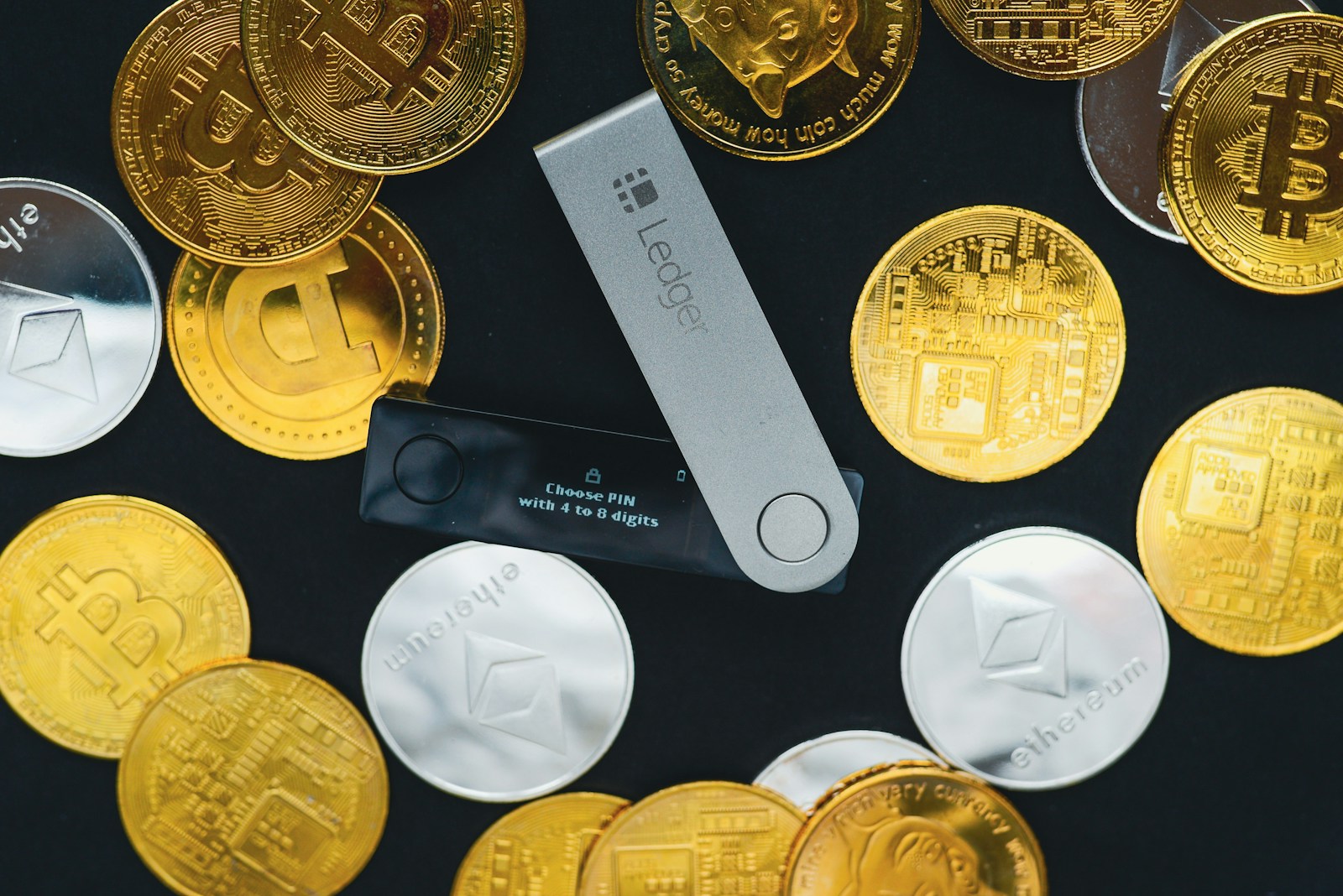
Software integrity checks must be integrated into risk assessment frameworks as well. Firmware modifications remain a prime method for unauthorized access; attackers have utilized supply chain infiltration to inject compromised code before device distribution. The Ledger incident in late 2020 showcased how firmware tampering could facilitate unauthorized seed recovery attempts without triggering standard user alerts. Incorporating automated verification systems and cryptographic attestation mechanisms mitigates this hazard but requires continuous updates aligned with evolving exploitation techniques.
Complex exploitation pathways and defensive strategies
Examining attack surfaces beyond direct device manipulation reveals additional exposure vectors, such as USB interface vulnerabilities and Bluetooth communication intercepts. In 2019, a notable breach exploited flaws in the USB stack of a popular hardware product, allowing remote execution attacks when connected to compromised hosts. These findings emphasize the importance of layered security controls including hardened communication protocols and strict user authentication measures before any interaction with external systems.
The comprehensive appraisal of these elements benefits from combining quantitative metrics–like failure rates under fault injection tests–and qualitative insights drawn from documented breaches worldwide. While no system offers absolute immunity, understanding nuances between device architectures assists stakeholders in selecting solutions aligned with their threat tolerance and operational environment. Continuous surveillance for emerging exploits ensures adaptive defenses remain effective against increasingly sophisticated adversaries.
Evaluating Network Communication Threats
Secure communication channels must be the foundation of any wallet infrastructure. Ensuring encrypted data transfer through protocols such as TLS 1.3 minimizes interception risks by adversaries exploiting man-in-the-middle methods. Recent assessments reveal that outdated SSL versions remain in use in approximately 12% of active nodes, increasing exposure to downgrade exploits and session hijacking. Continuous verification of cryptographic standards and certificate validation during transaction broadcasts is indispensable for preserving data integrity.
Analyzing attack feasibility requires understanding common exploitation paths within peer-to-peer networks. For instance, Sybil attacks leverage a flood of fake identities to disrupt consensus or isolate nodes. In 2023, blockchain networks recorded a surge in Sybil activity targeting light clients, causing delayed synchronization and transaction censorship. Planning countermeasures involves implementing robust identity verification mechanisms and rate-limiting connection requests to maintain network health and prevent denial-of-service conditions.
Network Communication Risk Assessment Techniques
Comprehensive evaluation includes traffic analysis aiming at uncovering metadata leakage which might expose user behavior patterns despite payload encryption. Studies indicate that timing correlation attacks on wallet node communications can reveal transactional relationships with up to 85% accuracy under controlled conditions. Applying padding schemes and randomized message intervals helps mitigate this vulnerability but introduces trade-offs related to latency and bandwidth consumption.
Another critical factor is the susceptibility of relay nodes to routing attacks such as eclipse scenarios, where an attacker monopolizes connections around a target node to feed false information or censor outbound transactions. Case analyses from recent Ethereum testnets highlight how limited peer diversity elevated eclipse risk by 30%, prompting protocol enhancements emphasizing diversified peer selection algorithms and periodic peer churn strategies.
The deployment environment also influences exposure levels; wallets operating over unsecured Wi-Fi hotspots face amplified threats like packet sniffing and injection attacks. Incorporating VPNs or leveraging decentralized VPN services can reduce this hazard substantially, though they come with increased complexity and potential performance bottlenecks. Balancing these aspects requires granular threat assessment tailored to user operational contexts.
Ultimately, continuous monitoring combined with adaptive defense tactics strengthens resilience against evolving network communication exploits. Integrating anomaly detection systems capable of flagging irregular traffic patterns complements traditional security layers by providing early warnings about suspicious activities. Collaborative efforts across network participants facilitate rapid incident response, ensuring that vulnerabilities are addressed before exploitation leads to asset compromise or service disruption.
Identifying Social Engineering Exploits in Cryptocurrency Asset Security
Effective evaluation of human-centered intrusion methods requires meticulous scrutiny of communication channels and behavioral patterns. Phishing remains a prevalent form, where attackers craft messages mimicking legitimate services to extract sensitive credentials or recovery phrases. For instance, during the 2023 surge in DeFi activity, phishing campaigns impersonating popular decentralized exchanges led to losses exceeding $120 million globally. Such incidents underscore the necessity for continuous risk analysis focused on social manipulation techniques.
Another common stratagem involves pretexting, where adversaries fabricate scenarios demanding urgent action from users, often leveraging authority impersonation to bypass skepticism. Case studies reveal that attackers posing as technical support representatives successfully persuaded over 30% of targeted individuals to disclose private keys or authorization codes. Integrating these findings into security assessments enhances anticipation of psychological vulnerabilities within user interactions.
Technical Approaches to Evaluating Human-Focused Intrusion Paths
A comprehensive vulnerability assessment must incorporate simulations replicating social coercion attempts combined with system-level defenses. Red teaming exercises that emulate spear-phishing via spearheaded email campaigns have demonstrated up to a 25% success rate in breaching multi-factor authentication protocols when users are inadequately trained. Understanding such vectors informs refinement of both technological safeguards and user education programs.
Moreover, recent advancements in deepfake audio and video technologies introduce novel challenges by enabling highly convincing impersonations of trusted entities. An illustrative case involved fraudsters employing AI-generated voice clones to deceive executives into authorizing large cryptocurrency transfers valued at approximately $70 million across several firms in early 2024. These developments necessitate adaptive strategies integrating biometric verification and anomaly detection within operational workflows.
In planning protective measures against manipulative tactics targeting digital asset holders, it is critical to map out comprehensive threat scenarios encompassing insider collusion, social media reconnaissance, and tailored misinformation campaigns. Deploying continuous monitoring tools alongside regular behavioral audits can significantly reduce exposure by flagging irregular requests or deviations from established communication protocols. Thus, aligning systematic analysis with dynamic countermeasures fortifies overall security posture against sophisticated human-centric incursions.
Reviewing Key Management Weaknesses
Effective protection of cryptographic keys is foundational for safeguarding digital asset repositories. Many breaches trace back to inadequate key custody practices, such as storing private keys in plaintext or on devices lacking hardware security modules (HSMs). For instance, a 2022 analysis showed that over 40% of compromised accounts involved keys exposed through insecure local storage. Rigorous assessment must include evaluating the entropy sources used during key generation and ensuring keys are never transmitted unencrypted across networks, reducing the risk of interception or duplication.
Planning for secure lifecycle management involves understanding exploitation channels targeting secret material handling. Attackers often exploit weaknesses in backup procedures–unencrypted backups stored on cloud drives or shared folders create easy entry points. The infamous 2021 compromise of a major custodial platform resulted from poor segregation between operational and backup environments. Risk analysis should prioritize multi-factor encryption schemes combined with strict access control policies to limit unauthorized retrieval.
Technical Flaws in Private Key Usage and Storage
Common vulnerabilities emerge from reliance on software-only key stores without hardware-based isolation, exposing critical credentials to malware or rootkits. For example, research into mobile device compromises revealed that malicious applications could extract private keys by exploiting system-level permissions. Additionally, some implementations reuse nonce values during signature creation, which mathematically weakens cryptographic assurances and can lead to full key recovery within minutes using differential cryptanalysis. Regular auditing protocols must verify adherence to best practices such as deterministic nonce generation (RFC 6979) to mitigate these risks.
Human factors also play a significant role in undermining key integrity. Social engineering campaigns frequently target personnel responsible for key management, prompting inadvertent disclosures or unsafe sharing through unencrypted messaging platforms. Case studies from recent incidents highlight attackers gaining initial footholds via spear-phishing before escalating privileges to access sensitive materials. Incorporating behavioral analytics alongside technical controls enhances detection capabilities against insider threats and phishing attempts.
Comparative evaluations demonstrate that decentralized custody solutions leveraging threshold cryptography substantially reduce single points of failure inherent in traditional models. By splitting private key shares across multiple entities or devices, the probability of total compromise diminishes exponentially. However, this approach introduces complexity in coordination and recovery processes requiring meticulous design consideration during threat evaluation phases. Balancing usability with robust protection remains a core challenge in modern cryptographic asset security strategies.
Detecting Supply Chain Compromises: Final Insights
Proactive evaluation of dependencies and external integrations remains the cornerstone for mitigating risks associated with supply chain intrusions in crypto asset management tools. Recent incidents, such as the 2023 breach involving compromised code libraries in a leading multi-custodial app, demonstrate how overlooked third-party components can serve as conduits for unauthorized access and data exfiltration. Rigorous security assessment protocols–incorporating static and dynamic analysis of embedded modules–are no longer optional but mandatory to reduce exposure.
Integrating comprehensive scenario-based risk examination enables organizations to anticipate infiltration points beyond direct exploitation. This includes scrutinizing update delivery mechanisms, build pipelines, and cryptographic key provisioning systems. Continuous monitoring coupled with anomaly detection frameworks can identify subtle deviations indicative of supply chain tampering before they escalate into widespread compromise. How do these measures translate into strategic defense? By embedding such scrutiny within lifecycle planning, stakeholders fortify the entire ecosystem supporting asset custody environments.
Key Technical Takeaways and Forward Outlook
- Systemic dependency audits: Employ automated tools to verify integrity and provenance of all software components, focusing on transient libraries frequently targeted by attackers.
- Multi-layered validation: Enforce cryptographic signatures across updates, combined with out-of-band verification channels to thwart manipulation during distribution phases.
- Anomaly-based surveillance: Deploy machine learning models trained on baseline behavior metrics from operational infrastructure to detect irregularities suggestive of backdoors or tampered binaries.
- Red teaming exercises: Simulate supply chain breaches within controlled environments to stress-test incident response plans and uncover latent vulnerabilities in deployment workflows.
The trajectory of decentralized finance infrastructures increasingly depends on resilient design against indirect compromises that bypass perimeter defenses. Emerging standards like Software Bill of Materials (SBOM) adoption and zero-trust architectures offer promising avenues for elevating security postures at scale. However, effective implementation demands cross-functional collaboration between developers, auditors, and security analysts to maintain vigilance over multifaceted exposure points.
Ultimately, the evolving threat environment necessitates an adaptive framework emphasizing continuous reassessment rather than static checklists. Organizations must balance innovation velocity with disciplined scrutiny over external influences shaping their operational integrity. This holistic approach not only mitigates immediate hazards but also strengthens long-term trustworthiness critical for sustaining user confidence in cryptographically secured applications amid shifting market dynamics.