 Mark
Mark
Trust lies at the core of asset management, but who actually holds the keys determines the extent of real control. When funds are held by a third-party, responsibility shifts away from the original owner. This delegation can simplify access yet introduces risks: vulnerabilities in security protocols, regulatory exposure, or even internal mismanagement may compromise ownership. For instance, major exchange breaches in recent years have resulted in billions lost precisely because users entrusted their holdings without verifying custody safeguards.
Maintaining direct ownership through self-custody means retaining full responsibility for safeguarding private keys and transaction approvals. Although this approach demands technical competence and disciplined security practices–such as hardware wallets or multi-signature setups–it eliminates reliance on intermediaries and potential counterparty failures. Data from Chainalysis shows that over 20% of stolen digital assets originated from centralized custodian failures rather than user negligence.
The balance between convenience and control often dictates choice. Institutional actors typically prefer regulated custodial services to meet compliance standards, while individual holders must weigh if they prioritize ease of use over autonomous command. Recent regulatory frameworks increasingly emphasize clear accountability lines, compelling custodians to enhance transparency and fortify defenses against hacking attempts. Ultimately, understanding where legal ownership ends and operational control begins is essential when deciding how to store valuable tokens securely.
Crypto custody: who really controls your coins [Crypto Fundamentals basics]
When entrusting digital assets to a third-party service, it is critical to distinguish between ownership and control. While ownership remains with the individual, control often shifts to the custodian responsible for key management and transaction authorization. This separation implies that if a custodian holds private keys on behalf of a user, ultimate access–and therefore operational authority–resides with the custodian rather than the asset holder.
The security of such arrangements hinges on robust cryptographic practices combined with stringent operational protocols. For instance, multi-signature schemes and hardware security modules (HSMs) serve as technical safeguards minimizing risks tied to single points of failure. However, even the most advanced solutions cannot fully eliminate counterparty risk inherent in delegating responsibility to an external entity.
Third-Party Custodianship: Balancing Security and Responsibility
Delegating key management to third-party custodians offers convenience but introduces complex questions around trust and accountability. Institutional-grade custodians like Coinbase Custody or BitGo deploy comprehensive frameworks involving cold storage, insurance coverage, and regulatory compliance to mitigate risks. Yet, history provides cautionary examples: Mt. Gox’s collapse in 2014 stemmed from poor internal controls despite being a leading exchange at the time.
Evaluating custodial services requires scrutiny of their key management models. Are private keys held directly by users through non-custodial wallets, or does the provider maintain exclusive control? The latter often leads to systemic vulnerabilities where a single breach can compromise multiple clients simultaneously. Conversely, decentralized custody models distribute responsibility across participants but may sacrifice ease-of-use and introduce complexity for less experienced holders.
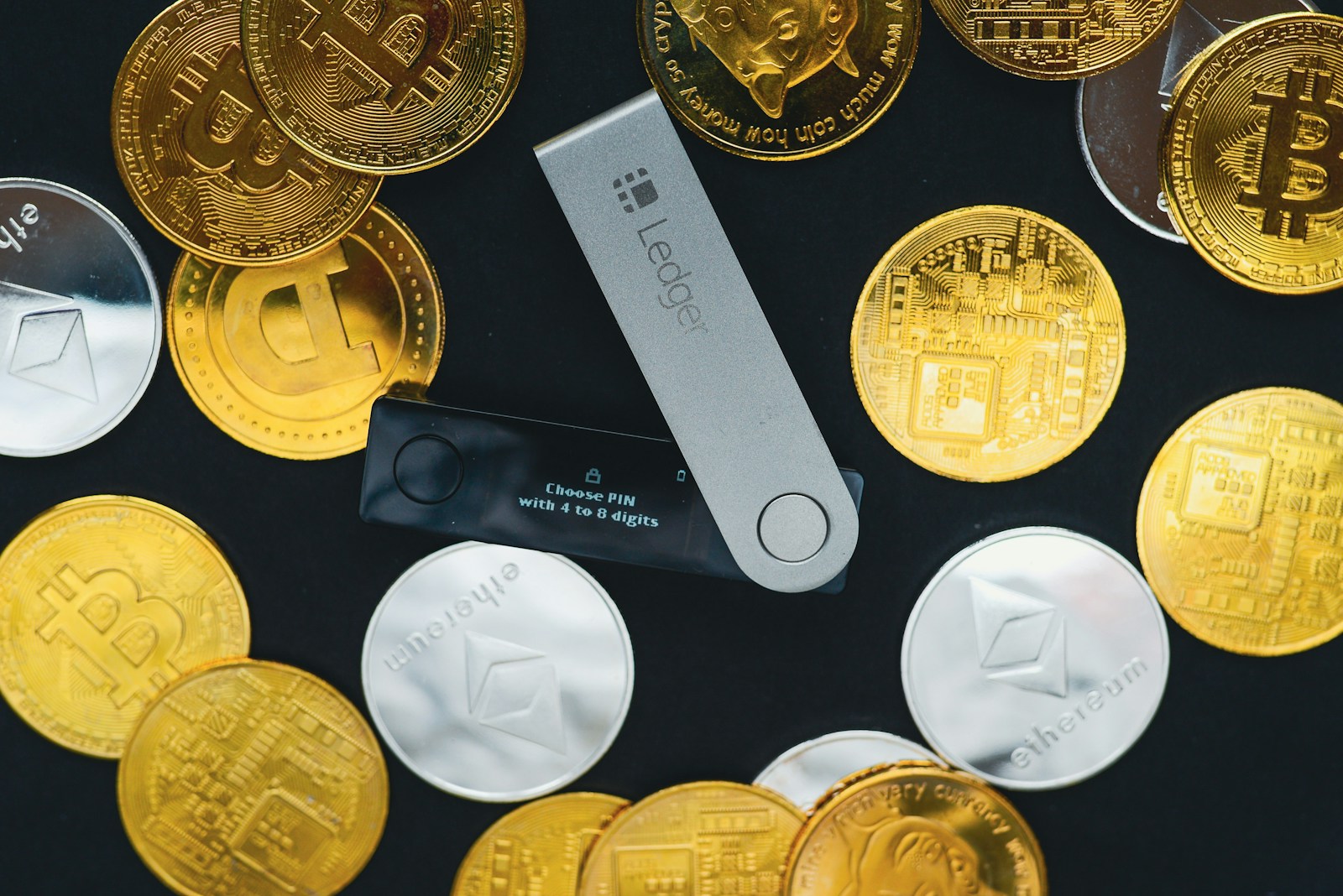
A practical comparison highlights differences: self-custody tools like hardware wallets (Ledger, Trezor) grant full control over private keys but place complete responsibility for security on users themselves. In contrast, centralized custodians relieve users from direct management tasks yet require absolute trust in their operational integrity. This trade-off underscores why understanding custody dynamics is essential when assessing risk exposure.
Recent developments have introduced hybrid custody solutions blending elements of both approaches–for example, threshold signature schemes that split key shares among multiple parties without any single actor holding full control. Projects like Fireblocks utilize such technologies to enhance security while maintaining transaction efficiency for institutional clients. These innovations suggest evolving paradigms aimed at reconciling ownership rights with practical control mechanisms under varying threat models.
Ultimately, control over digital assets is defined not only by legal ownership but primarily through possession and governance of cryptographic keys. Users must recognize that transferring custody entails relinquishing direct command over funds and accepting associated risks linked to third-party security postures and operational competence. Continuous due diligence on service providers’ infrastructure transparency, incident response capabilities, and regulatory standing remains indispensable in safeguarding asset integrity amidst shifting market conditions.
Understanding Private Key Ownership
Ownership of private keys equates to absolute control over the corresponding digital assets. Without possession of these cryptographic keys, one cannot authorize transactions or access funds stored on a blockchain. This fundamental principle places the burden of responsibility squarely on the individual or entity managing the private keys, emphasizing that security and management protocols must be rigorously maintained to prevent loss or theft.
Self-custody offers direct ownership and control by allowing users to manage their own private keys without reliance on third-party intermediaries. While this approach maximizes autonomy, it also transfers all security responsibilities to the key holder. In contrast, third-party custody solutions delegate key management but introduce counterparty risk, requiring trust in external entities’ security measures and operational integrity.
Security and Responsibility in Key Management
Effective security for private key ownership involves multi-layered protection strategies such as hardware wallets, multisignature arrangements, and secure backup systems. For example, hardware wallets isolate keys from internet-connected environments, drastically reducing exposure to malware attacks. Multisignature setups distribute control across multiple parties or devices, mitigating risks associated with a single point of failure while maintaining decentralized approval mechanisms.
Responsibility extends beyond technical safeguards; operational procedures like rotating keys periodically or implementing threshold signatures can further reduce vulnerabilities. Case studies such as the 2019 Binance hack illustrate how centralized custody failures can lead to massive asset losses due to compromised private keys held by exchanges. Conversely, institutional investors increasingly adopt self-custody frameworks enhanced by professional-grade key management services that blend autonomy with advanced security protocols.
Third-Party Custody: Balancing Convenience and Risk
Entrusting private key custody to third-party providers simplifies user experience by offloading complex management tasks yet introduces systemic risks. Providers often employ cold storage techniques combined with insurance policies to mitigate potential breaches; however, history shows incidents like Mt. Gox’s collapse where inadequate internal controls resulted in devastating asset losses for clients. Evaluating a custodian’s governance structure, transparency reports, and regulatory compliance becomes critical before transferring control.
The trade-offs between convenience and control necessitate thorough consideration based on use case requirements. Retail users may prefer custodial platforms for ease of access despite reduced direct ownership while high-net-worth individuals often lean towards hybrid models incorporating multisig wallets managed jointly with trusted custodians to balance usability with enhanced security assurances.
Emerging Trends in Private Key Control
The advent of decentralized finance (DeFi) and non-custodial wallet technologies has accelerated innovation in self-sovereign key management tools. Protocols enabling social recovery mechanisms or smart contract-based access controls provide alternatives that alleviate some traditional risks linked with sole key holders losing access due to device failure or human error. These developments indicate a shift toward empowering users without sacrificing security standards historically associated with institutional custody.
The Importance of Continuous Monitoring and Auditing
A robust governance framework includes ongoing monitoring and auditing of custody practices surrounding private key usage. Automated alerts triggered by unusual transaction patterns combined with regular penetration testing help detect vulnerabilities early. Industry leaders implement transparent reporting standards aligned with frameworks like SOC 2 or ISO/IEC 27001 certifications to validate operational resilience.
This proactive stance reduces exposure from internal threats and evolving attack vectors targeting cryptographic infrastructure. Recent advancements integrating artificial intelligence analytics into threat detection workflows demonstrate promising improvements in safeguarding sensitive credentials without compromising user control over asset flows.
Synthesizing Ownership Models for Optimal Security Posture
No single approach universally satisfies every requirement related to ownership and security of private keys; instead, tailored combinations align best with specific operational priorities. Entities handling large volumes tend toward layered defenses combining self-custody elements–such as offline storage–with selective delegation via trusted custodianship for liquidity needs.
The dynamic interplay between control retention and risk mitigation continues shaping industry practices as stakeholders weigh technical capabilities against organizational policies. Ultimately, understanding nuances around private key stewardship ensures informed decisions that preserve asset integrity while accommodating evolving market conditions and regulatory environments.
Differences Between Custodial Wallets
Management models vary significantly among custodial wallets, primarily influencing control and responsibility distribution. In third-party custody solutions, a service provider retains private keys and assumes operational management, which shifts ownership control away from the end-user. This arrangement simplifies access but introduces risks related to security breaches or mismanagement by the custodian. For instance, incidents like the 2021 Poly Network hack demonstrated vulnerabilities inherent in centralized control frameworks where a single entity manages assets on behalf of clients.
Conversely, self-custody wallets grant users full ownership and direct control over their private keys, placing the entire burden of security and key management on them. While this model enhances sovereignty and reduces counterparty risk, it demands stringent personal responsibility to prevent loss or theft. Technical measures such as hardware wallets with secure enclaves exemplify tools designed to mitigate these risks by isolating sensitive data from potential attack vectors.
Security protocols differ widely between custodial options. Third-party custodians often implement multi-signature authorization schemes and institutional-grade cold storage solutions to protect assets under management. However, reliance on external entities introduces systemic risk; if a custodian suffers insolvency or regulatory intervention, user holdings may become inaccessible or frozen. By contrast, self-managed wallets rely heavily on user practices–backup seed phrases, encrypted storage, and offline transaction signing–to uphold asset integrity without intermediary involvement.
Control dynamics also reflect in recovery mechanisms and operational transparency. Custodial services usually provide customer support for account recovery through identity verification processes but at the cost of potential privacy compromises. Self-custody lacks this safety net; losing access credentials often results in irreversible asset loss. Market trends indicate growing adoption of hybrid solutions combining third-party custody’s convenience with enhanced user governance layers–such as multisig setups involving both custodian and client keys–to balance security with accessibility under evolving regulatory environments.
Risks of Third-Party Custody: Analytical Conclusion
Relying on external entities for asset management inherently shifts control and responsibility away from the individual, raising critical questions about the true locus of ownership. Recent incidents involving centralized platforms highlight vulnerabilities where compromised private keys or operational failures resulted in multi-million dollar losses, underscoring the fragility embedded within delegated safekeeping models.
The reliance on trust in intermediaries introduces systemic risks that extend beyond mere technical faults. For example, regulatory interventions can freeze assets under third-party custody without user consent, effectively severing access despite legal ownership. This dynamic illustrates how custody arrangements often blur the boundary between possession and control, complicating recovery mechanisms and dispute resolution.
From a security standpoint, self-custody remains the most robust approach to preserving absolute control over digital assets. Hardware wallets employing secure elements and multisignature schemes exemplify practical solutions enabling users to retain direct governance while mitigating attack vectors common to centralized custodians. However, this model demands heightened operational discipline and key management expertise, which not all participants possess.
Looking forward, hybrid frameworks combining decentralized key management with institutional-grade infrastructure could redefine asset protection paradigms. Innovations like threshold signature schemes (TSS) distribute signing authority among multiple parties without exposing complete keys, balancing usability with enhanced security. Furthermore, smart contract-based vaults introduce programmable controls that automate compliance without surrendering ultimate ownership.
- Management transparency: Auditable protocols must become standard to verify custody integrity in real-time.
- Regulatory alignment: Custodial solutions need adaptive compliance layers that respect user sovereignty while satisfying jurisdictional demands.
- User education: Elevating baseline knowledge about cryptographic principles is critical for informed decision-making around asset safeguarding.
The evolution of custody models will hinge on reconciling convenience with uncompromising security guarantees. As ecosystems mature, greater emphasis will fall on interoperable standards enabling seamless transitions between self-managed holdings and institutional oversight without diluting ownership rights. Ultimately, entrusting third parties entails accepting a spectrum of trade-offs–only by rigorously assessing these variables can stakeholders craft resilient strategies aligned with their risk tolerance and operational capacity.