 Mark
Mark
Protection of blockchain holdings requires tailored coverage that addresses unique vulnerabilities. Unlike traditional valuables, these holdings face risks such as private key theft, smart contract failures, and exchange insolvencies. Recent data shows that in 2023 alone, over $2 billion worth of tokens were lost or stolen due to security breaches–highlighting the urgent need for comprehensive insurance solutions designed specifically for these unconventional portfolios.
Effective safety measures extend beyond cold storage and multi-signature wallets; they must include policies offering explicit compensation clauses for incidents like rug pulls and protocol exploits. For example, Nexus Mutual’s decentralized protection model has compensated users over $15 million following DeFi platform hacks, demonstrating how bespoke coverage can mitigate substantial financial damage where standard policies fall short.
The evolving regulatory environment also influences risk management strategies. As jurisdictions clarify legal frameworks around cryptographic property rights, insurers adapt their terms to balance underwriting rigor with market accessibility. This dynamic creates opportunities for investors to secure their holdings against operational risks while benefiting from emerging claims processes tailored to intangible assets. How does one evaluate providers amidst this complexity? Scrutinizing claim settlement ratios and examining case histories of actual payouts provides critical insights into a carrier’s reliability and responsiveness.
Crypto insurance: protecting digital asset investments [Wallet & Security security]
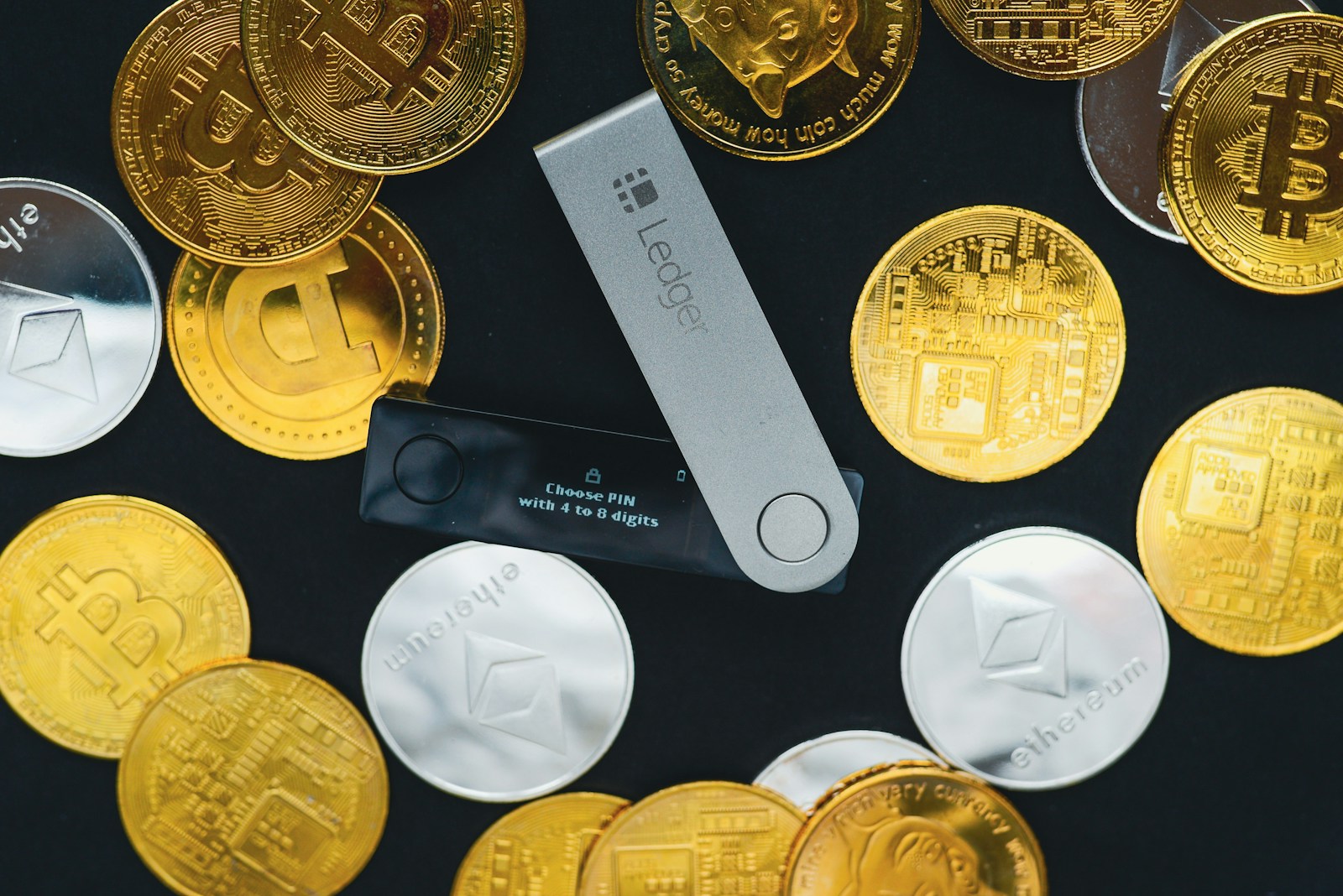
To enhance the safety of cryptocurrency holdings, obtaining comprehensive coverage tailored to private key management and wallet security is indispensable. Traditional custody solutions often leave gaps in risk mitigation, especially against threats like phishing attacks, hardware failure, or insider fraud. Insurance policies that specifically address these vulnerabilities provide an additional layer of financial protection by compensating for losses stemming from unauthorized access or technical malfunctions.
Industry data indicates that over $3 billion in blockchain-based funds were compromised in 2023 alone due to security breaches and operational errors. This highlights the necessity for coverage strategies that incorporate multi-signature wallets, cold storage solutions, and hardware device failures. Insurers now offer plans with clauses covering both physical device damage and cryptographic key theft, reflecting a more nuanced understanding of the technological environment.
Technical nuances of wallet-related risk coverage
Wallet insurance contracts typically define risk parameters around private key exposure, transaction authorization flaws, and software vulnerabilities. For example, providers require insured parties to implement strict multi-factor authentication (MFA) protocols and regular firmware updates on hardware wallets. Failure to comply can void claims, illustrating how policy terms enforce higher operational standards within user environments.
A case study involving a major exchange hack demonstrated how layered security measures coupled with insurance payouts helped restore investor confidence. The insurer’s rapid assessment relied heavily on audit logs from cold wallet transactions combined with forensic analysis of breach vectors. This integrated approach underscores the importance of combining technical safeguards with financial instruments to manage systemic threats effectively.
The scope of protection extends beyond theft; it includes coverage against accidental loss scenarios such as damaged or lost seed phrases critical for wallet recovery. Some insurers now offer “loss-of-access” policies which reimburse customers unable to retrieve funds due to human error or device malfunction. This innovation addresses a frequently overlooked vulnerability inherent in self-custody paradigms.
Market trends reveal increasing demand for customized products that reflect each client’s unique operational risks and security postures. Advanced actuarial models assess historical breach data alongside emerging threat intelligence to price policies accurately. Consequently, insured entities gain not only financial recourse but also actionable insights into their security practices through insurer feedback loops.
Choosing insurance for wallets
When selecting coverage for cryptocurrency wallets, prioritize policies that explicitly include protection against unauthorized access and phishing attacks. Many breaches result from social engineering rather than system vulnerabilities, so ensure the contract covers losses due to compromised private keys or fraudulent transactions initiated by third parties. For example, some insurers offer up to $10 million in compensation per incident but exclude claims linked to user negligence, highlighting the importance of understanding policy exclusions.
Wallet security risks vary significantly depending on custody type. Hardware wallets generally carry lower risk exposure compared to software or custodial wallets but may lack comprehensive coverage options. Institutional clients often prefer multi-signature solutions combined with tailored insurance products that address both operational errors and external threats. A notable case is the 2021 Poly Network hack, where losses exceeded $600 million–coverage solutions for such high-profile exploits remain limited and costly.
Key factors in wallet coverage evaluation
Scope of protection. Verify if the policy includes theft, loss due to technical failures, and insider fraud. Some providers limit compensation exclusively to hacking incidents detected within a certain timeframe–typically 72 hours–potentially leaving gaps in extended risk scenarios. Does the insurer cover cold storage failures? This question must be clarified before committing.
Claims process transparency. Efficient incident reporting mechanisms are vital for timely reimbursement. Complex verification procedures can delay payouts and increase financial strain on users. Leading firms implement blockchain analytics tools to trace stolen tokens and validate claims faster; Chainalysis reports that incorporating such technology reduces average claim resolution time by 40%.
- Policy limits: Pay attention to maximum payout caps relative to wallet balances.
- Premium structure: Often tied to wallet type, transaction volume, and historical security posture.
- Underwriting criteria: Insurers may require proof of multi-factor authentication or regular security audits as prerequisites.
The evolving regulatory landscape also influences available protections. In jurisdictions like Switzerland or Singapore, enhanced legal frameworks facilitate more robust contracts with clearer liability definitions. Conversely, many markets still lack enforceable guidelines on digital holdings insurance, increasing uncertainty around compensation reliability after incidents.
Selecting appropriate coverage demands balancing cost against potential exposure realistically assessed through internal risk management strategies. While no solution guarantees absolute safety, integrating comprehensive policies with secure key management minimizes long-term financial impact from unforeseen breaches or technical faults in wallet infrastructure.
Coverage Limits and Exclusions
Determining the maximum compensation for incidents involving cryptographic holdings requires careful assessment of policy coverage limits. Most providers establish a ceiling based on the total value of protected tokens or coins, often expressed as a percentage of the declared portfolio worth. For instance, a common cap might be set at $10 million per claim or 80% of the insured holdings’ market value, whichever is lower. This approach balances risk tolerance with financial feasibility, ensuring that reimbursements remain sustainable without compromising safety guarantees. In practice, such limits reflect an insurer’s calculated exposure to volatile price swings and hacking attempts.
Exclusions typically restrict coverage for losses stemming from specific scenarios, directly impacting risk management strategies for stakeholders. Standard clauses exclude damages arising from insider fraud, negligent key management by users, or unauthorized access resulting from phishing attacks where client negligence can be demonstrated. Additionally, many policies do not cover losses due to smart contract vulnerabilities unless audited and certified beforehand. These exclusions highlight the importance of operational security alongside contractual protection measures in safeguarding token reserves.
Case studies reveal that claims exceeding policy limits often arise during major exchange breaches or systemic protocol failures. For example, in a 2021 incident involving a decentralized finance platform exploit, affected parties received compensation only up to their individual policy caps despite aggregate losses surpassing hundreds of millions of dollars. This situation underlines how coverage ceilings serve as both protective barriers and potential financial constraints for holders reliant on third-party indemnification. Consequently, clients must evaluate whether single-event maximum payouts align with their portfolio scale and risk appetite.
Comparatively, some insurers offer layered structures combining base-level indemnity with optional add-ons for broader protection scopes–such as extended liability for emerging threat vectors like quantum computing attacks or regulatory penalties related to compliance violations. While these enhanced packages increase premium costs, they also elevate the overall safety net available to token owners. Given ongoing developments in attack methodologies and regulatory frameworks worldwide, regular review and adjustment of coverage parameters are advisable to maintain effective risk mitigation aligned with evolving market conditions.
Claims process in crypto insurance
The procedure for submitting a claim within coverage for blockchain-based holdings demands precise documentation and timely communication. Policyholders must provide detailed evidence of the incident that triggered the loss, such as transaction records or wallet compromise reports. Insurers typically require confirmation that the event falls under specified risk categories–like theft, smart contract failure, or platform insolvency–to validate compensation eligibility.
Once a claim is filed, an initial assessment phase begins where the insurer evaluates the authenticity and severity of the loss. This often involves forensic analysis by cybersecurity experts to trace unauthorized transfers or breaches. For instance, after the 2021 Poly Network hack, several insurers scrutinized whether claims matched protocol vulnerabilities covered under their terms before proceeding with payouts.
Verification steps include:
- Authentication of ownership through cryptographic proofs or multi-factor identity checks;
- Correlation of reported events with blockchain immutability records;
- Assessment of adherence to policy conditions concerning custody methods (e.g., cold vs. hot wallets).
This rigorous approach ensures protection mechanisms are not exploited and aligns compensation strictly with genuine losses.
Timing is critical; many policies impose strict deadlines for claim submission–often within 30 to 90 days post-incident–to mitigate extended exposure to unverified risks. Delays may result in partial denial or forfeiture of coverage. Additionally, insurers might request supplementary materials such as smart contract audit reports or third-party assessments to confirm systemic failures contributing to asset depletion.
The complexity increases when multiple parties are involved–for example, decentralized finance protocols with layered governance structures. Claims might necessitate coordination among custodians, platform developers, and end-users to establish liability and quantify damage accurately. Recent case studies indicate that streamlined communication channels between all stakeholders significantly enhance resolution speed and claimant satisfaction.
Finally, compensation settlements vary depending on policy specifics but generally aim to restore value equivalent to lost tokens at the time of the incident. Some insurers apply market volatility adjustments or exclude gains from subsequent price fluctuations. Understanding these nuances beforehand helps investors align their safety strategies effectively while balancing potential residual risks beyond contractual coverage limits.
Third-party custodian protection
Utilizing a third-party custodian significantly enhances the safety of holdings by offering specialized coverage against unauthorized access, theft, and operational failures. These custodians implement multi-layered security protocols such as hardware security modules (HSM), cold storage solutions, and multi-signature authorization to minimize exposure to internal and external risks. For example, Fidelity Digital Assets reported zero breaches in its custody service over three years, attributing this stability to rigorous compliance and continuous risk assessments.
The role of these custodians extends beyond mere safekeeping; they provide compensation mechanisms that activate in cases of loss due to cyberattacks or insolvency. Institutional-grade insurance policies often back their services, covering losses up to hundreds of millions of dollars depending on the provider. BitGo’s $100 million insurance policy exemplifies this approach, ensuring clients receive restitution without lengthy legal disputes when incidents occur.
Technical safeguards and risk mitigation strategies
Custodians deploy advanced cryptographic techniques combined with robust operational frameworks to reduce systemic vulnerabilities. Segregation of duties within teams prevents single points of failure, while continuous monitoring tools detect anomalies rapidly. Case studies from Anchorage highlight how real-time transaction analytics facilitated immediate intervention during a phishing attempt, preventing potential asset compromise. This layer of protection is crucial given the irreversible nature of blockchain transactions.
Insurance coverage tied to custodial services varies widely but generally addresses theft due to hacking, employee dishonesty, and physical damage at storage facilities. However, it often excludes losses stemming from market volatility or regulatory actions. Therefore, users must scrutinize policy terms carefully to understand the scope of financial recovery options available. A comparative analysis between Coinbase Custody and Gemini Custody reveals differences in coverage limits and claim procedures that can influence institutional preferences.
Given current market conditions marked by increased regulatory scrutiny and rising cyber threats, third-party custody offers a practical solution for managing exposure effectively. By combining insured protection with technical resilience measures, investors can achieve a balanced approach toward safeguarding their tokens and coins. Would an uninsured self-custody model withstand sophisticated attacks better than an insured custodian? Evidence suggests that professional entities with integrated insurance frameworks provide superior risk management outcomes in most scenarios.
Cost Factors for Policies Covering Blockchain Holdings: Conclusion
The primary driver behind pricing models in coverage for cryptographic holdings remains the quantification of risk exposure, which fluctuates based on protocol complexity, custody arrangements, and threat vectors. Protection schemes that incorporate multi-signature wallets or hardware security modules typically command premiums 15–30% lower due to reduced vulnerability to unauthorized access. Conversely, policies covering DeFi protocols or smart contract exploits often demand surcharges exceeding 40%, reflecting increased uncertainty and exploit frequency.
Compensation mechanisms must balance comprehensive safety nets against economically viable premium levels. For instance, parametric coverage triggered by oracle failures or network partition events introduces novel actuarial challenges but can reduce claim processing latency and administrative overhead. As underwriting models integrate machine learning analytics on chain activity patterns, we may anticipate more granular risk segmentation enabling tailored pricing that better aligns with individual portfolio configurations.
Future Implications and Strategic Considerations
- Enhanced Risk Assessment: Adoption of on-chain forensic tools and real-time anomaly detection will refine risk profiles, potentially lowering costs for participants demonstrating robust operational security.
- Dynamic Coverage Models: Parametric insurance products tied to specific loss events (e.g., flash loan attacks) could reshape traditional indemnity frameworks by automating compensation triggers.
- Regulatory Impact: Emerging compliance requirements may increase transparency demands but also foster standardization in policy conditions, thereby stabilizing premium volatility.
- Diversification of Offerings: Bundling custodial protection with legal recourse guarantees or cybersecurity response services is likely to become a norm, influencing overall expenditure but enhancing holistic safety.
Ultimately, cost structures will hinge upon the interplay between evolving threat landscapes and technological safeguards embedded within blockchain ecosystems. How insurers adapt to these variables while maintaining competitive pricing will define market maturity. Investors should monitor developments in cryptographic risk quantification methodologies closely–those who leverage advanced analytics stand to benefit from improved compensation terms without disproportionate financial outlays. Is it feasible that next-generation underwriting platforms might fully automate policy issuance based on smart contract audit results? The trajectory points toward increasingly sophisticated fusion of technology and finance aimed at bolstering participant confidence through optimized protection strategies.