 Mark
Mark
Opting for self-custody grants full ownership over cryptographic credentials, removing dependency on intermediaries. With non-custodial solutions, individuals maintain exclusive access to their private keys, ensuring absolute control and reducing risks associated with third-party failures or breaches. For example, during the 2021 exchange hacks, users relying on centralized platforms lost billions, while those practicing direct custody retained assets intact.
Third-party management simplifies user experience but shifts authority away from the asset holder. Custodial services often handle key storage and transaction signing on behalf of clients, introducing convenience at the expense of relinquishing direct oversight. This trade-off can expose users to insolvency events or regulatory seizures, as seen in major recent incidents where frozen accounts affected thousands.
The decision between independent stewardship and delegated responsibility boils down to risk tolerance and technical proficiency. Self-custody demands diligent security practices–hardware wallets, seed phrase backups, multi-factor authentication–to prevent permanent loss. Conversely, entrusting a service provider may suit newcomers prioritizing usability over absolute sovereignty. Market trends indicate rising adoption of hybrid models that combine elements of both approaches to balance safety and accessibility.
In volatile environments where asset protection is paramount, retaining possession of cryptographic secrets remains the safest strategy. Data from blockchain analytics firms reveal that wallets controlled solely by users demonstrate far lower incidences of theft compared to those managed via custodians. However, this approach requires ongoing education and vigilance against phishing or social engineering attacks targeting key holders directly.
Ultimately, understanding who holds the digital credentials influences exposure to systemic vulnerabilities versus personal operational risks. Evaluating recent platform collapses alongside emerging decentralized tools highlights an evolving ecosystem where empowerment through self-governance challenges traditional reliance on centralized entities. Which model aligns best depends on individual priorities–sovereignty or simplicity–and readiness to assume responsibility for safeguarding access tokens personally.
Custodial vs Non-Custodial: Who Controls Your Keys
Direct possession of cryptographic secrets grants absolute authority over digital assets, eliminating reliance on intermediaries. This approach, often defined as self-custody, demands rigorous personal security protocols but offers unparalleled ownership sovereignty. Conversely, entrusting these sensitive credentials to a third-party service simplifies access and recovery at the cost of ceding control and exposing holdings to external risk vectors such as hacking or insolvency.
The choice between delegation and direct control hinges on individual priorities regarding convenience, security, and responsibility. For instance, centralized exchanges hold private credentials on behalf of users, enabling streamlined transactions but introducing custodial risk. In contrast, hardware wallets empower users with exclusive access to their authentication data, mitigating counterparty exposure but requiring technical competence to manage backup and recovery securely.
Technical Considerations in Key Management Models
Non-custodial frameworks leverage cryptographic primitives like Hierarchical Deterministic (HD) wallets, allowing deterministic key generation from a single mnemonic seed phrase. This design facilitates secure self-custody by enabling comprehensive asset restoration without intermediary involvement. However, loss or compromise of this seed irreversibly forfeits access. Custodial platforms implement multi-signature schemes and cold storage solutions to enhance security yet inherently maintain ultimate control over authorization processes.
Recent market data indicates that approximately 70% of retail cryptocurrency holders utilize custodial services due to user-friendly interfaces and integrated compliance features. Yet high-profile breaches–such as the Mt. Gox collapse or more recent exchange hacks affecting billions of dollars–underscore systemic vulnerabilities inherent in third-party custody models. Meanwhile, advances in decentralized finance protocols increasingly promote non-custodial interactions through smart contracts, reducing dependency on centralized entities for asset management.
From a regulatory perspective, custodians often comply with Know Your Customer (KYC) and Anti-Money Laundering (AML) mandates, providing traceability but imposing privacy trade-offs for asset holders. Self-custody preserves anonymity yet complicates legal recourse in theft scenarios due to the absence of an intermediary’s accountability. This dichotomy requires stakeholders to evaluate governance frameworks alongside technical safeguards when selecting their preferred custody paradigm.
Ultimately, the decision between delegated stewardship and independent possession should reflect one’s tolerance for operational complexity against desired autonomy levels. Entities prioritizing seamless user experience might favor third-party custodianship despite relinquishing direct ownership rights over critical cryptographic material. Conversely, those committed to full sovereignty must accept heightened responsibility for safeguarding secret credentials while benefiting from uncompromised control over asset disposition.
Key Ownership in Custodial Wallets
When opting for wallets managed by third-party providers, the decision to relinquish direct possession of cryptographic credentials significantly alters risk profiles and operational control. In this setup, the service retains the private authorization data needed for asset management, effectively centralizing access under their infrastructure. This arrangement offers convenience and often enhanced security measures such as multi-factor authentication and institutional-grade cold storage solutions, which can mitigate risks associated with individual mismanagement.
However, it also introduces a shift in responsibility: asset holders delegate crucial functions like backup, recovery, and protection against cyber threats to an external entity. For example, exchanges managing over $500 billion in digital assets globally rely on strict internal protocols to prevent unauthorized withdrawals, but history shows incidents such as Mt. Gox or more recently FTX demonstrate systemic vulnerabilities when these controls fail or are compromised. Thus, the trade-off involves balancing ease of use against potential exposure to counterparty risk.
Technical Aspects of Third-Party Key Management
The underlying architecture in these wallets typically involves hierarchical deterministic (HD) key generation schemes governed by the service provider’s secure environment. Unlike self-custody models where users generate and store their own seed phrases offline, here private access elements are held within encrypted hardware security modules (HSMs) or multi-signature configurations that require consensus among authorized personnel. This design aims to prevent single points of failure while maintaining operational agility for transaction processing.
Nevertheless, reliance on such frameworks means ownership is technically abstracted from users; they possess rights through contractual agreements rather than cryptographic proof alone. A notable case study includes Coinbase Custody’s approach employing both cold storage vaults geographically dispersed and hot wallet systems to optimize liquidity without compromising overall safety. Yet even with robust engineering standards like FIPS 140-2 certification or SOC 2 compliance audits regularly conducted, absolute immunity from insider threats or regulatory interventions cannot be guaranteed.
Choosing between delegated key stewardship versus direct self-management depends heavily on user preferences regarding control versus convenience. Individuals prioritizing autonomy may prefer generating seeds using hardware wallets such as Ledger or Trezor, retaining exclusive access at the expense of personal accountability for safekeeping procedures. Conversely, institutional clients often gravitate towards custodians offering insured storage solutions combined with compliance adherence–this hybrid model reduces administrative burdens but entrusts critical operations externally.
In summary, while transferring custody entails surrendering immediate sovereignty over encryption credentials to trusted entities equipped with sophisticated infrastructure and legal protections, it simultaneously imposes dependence on third-party integrity and operational robustness. Understanding these dynamics allows participants to make informed choices aligned with their tolerance for risk and desired level of engagement in asset security management amidst evolving market conditions.
Managing Private Keys Yourself
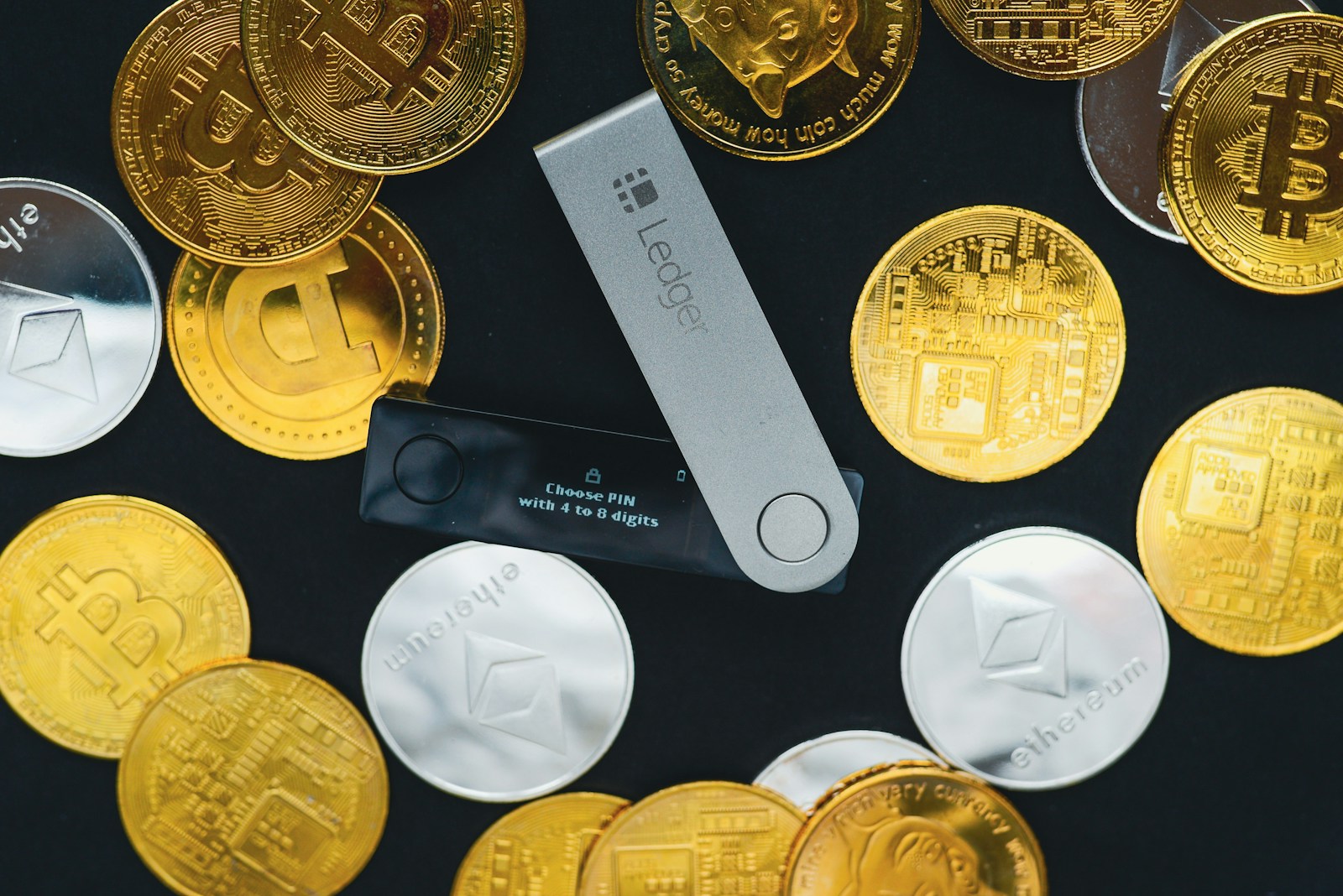
Opting for self-custody provides direct ownership over cryptographic credentials, eliminating reliance on external entities to safeguard digital assets. This approach grants full access and control, meaning that the individual exclusively holds the secret codes necessary for transaction validation and asset management. In practice, this choice demands rigorous operational security protocols since any compromise or loss of these credentials results in irreversible asset forfeiture. For instance, hardware wallets such as Ledger or Trezor offer secure environments for key generation and storage, minimizing exposure to malware or phishing attacks.
Bypassing third-party intermediaries shifts responsibility entirely onto the user, contrasting with arrangements where service providers maintain custody of private elements on behalf of clients. While custodial models abstract away complexity and recovery concerns through managed infrastructure and regulatory frameworks, they simultaneously introduce systemic risk linked to centralized breaches or insolvency events–exemplified by recent exchange failures like FTX. Conversely, non-intermediated possession empowers users but necessitates comprehensive backup strategies and an understanding of cryptographic principles to prevent accidental loss.
The technical foundation of self-managed secrets involves deterministic key derivation paths (BIP32/BIP44 standards), mnemonic seed phrases, and encrypted local storage solutions. These methods allow regeneration of credentials if hardware is damaged or misplaced while maintaining confidentiality from network observers. Contemporary wallets increasingly incorporate multi-signature schemes and threshold cryptography to distribute trust across multiple devices or parties without surrendering exclusive authority, thereby enhancing security postures against single points of failure.
Current market volatility underscores the importance of autonomy in managing digital holdings, especially amid tightening regulatory scrutiny and evolving compliance demands targeting custodial services. Moreover, decentralized finance (DeFi) protocols often require interaction via permissionless wallets that cannot be custodially held without sacrificing core benefits like censorship resistance. Ultimately, those who assume direct stewardship over encryption keys engage with blockchain networks more intimately but must balance convenience against potential risks inherent in sole proprietorship of sensitive authentication data.
Security Risks of Custodial Services
Delegating ownership of cryptographic credentials to a third-party service inherently transfers responsibility away from the individual. This shift introduces significant security concerns, as the entity managing these critical access components becomes a single point of failure susceptible to hacking, insider threats, or regulatory intervention. The absence of direct self-custody means users rely entirely on the service provider’s security protocols and infrastructure resilience, which are not always transparent or adequately stress-tested.
Recent incidents illustrate these vulnerabilities vividly. For example, in 2023 alone, several prominent centralized platforms suffered breaches resulting in multi-million dollar losses due to compromised private credential stores. The complexity and scale of these attacks often exceed that faced by individual holders employing hardware wallets or multisignature schemes under a self-managed model. Consequently, reliance on external custodians can dilute control over asset safety despite seemingly robust insurance policies or compliance certifications.
Concentration Risk and Attack Surface
The aggregation of numerous users’ authorization data within a single infrastructure increases the attack surface exponentially. Threat actors target these repositories knowing successful penetration yields disproportionate rewards compared to attacking dispersed individuals practicing non-custodial management. Furthermore, sophisticated phishing campaigns and social engineering tactics exploit human factors around recovery processes administered by third-parties – such as customer support interactions – potentially bypassing technical safeguards designed to protect ownership credentials.
Consider how multi-factor authentication (MFA) methods implemented by many services can still be circumvented through SIM swapping or account recovery loopholes. In contrast, direct self-custody solutions eliminate intermediary dependencies and reduce systemic risk by decentralizing storage of sensitive material. However, this places heightened responsibility on end-users for secure backup strategies and key management discipline.
Regulatory Exposure and Access Restrictions
Another dimension involves legal and jurisdictional risks inherent in entrusting asset control to regulated entities subject to government mandates. Regulatory bodies may impose freezes, seizures, or forced disclosures on held assets without consent from the underlying owner, effectively limiting access irrespective of rightful ownership claims. This contrasts with self-custody frameworks where possession equates unequivocally with control absent intermediation.
This regulatory dynamic recently impacted multiple exchanges during periods of financial distress, where user funds became inaccessible amid insolvency proceedings or compliance investigations. Such scenarios underscore how reliance on third-party stewardship can introduce liquidity constraints unrelated to blockchain protocol integrity itself but rooted in off-chain legal environments affecting operational continuity.
Operational Failures and Internal Threats
Operational risks arising from human error or malfeasance within service providers further complicate security considerations. Mismanagement of cryptographic materials–such as improper key generation routines or insecure storage practices–can lead to irreversible loss or theft without recourse for affected parties. Insider threats pose an additional challenge; employees with privileged access may exfiltrate confidential data unnoticed if monitoring systems lack sufficient granularity.
A notable case involved an employee at a leading digital asset platform who exploited administrative rights to siphon millions worth of tokens over months before detection. Such events highlight intrinsic trust assumptions embedded in delegated custody models that do not exist when users maintain exclusive command over their authentication secrets through self-custody methodologies.
User Experience vs Security Trade-offs
The appeal of convenience offered by managed custody options often obscures trade-offs between ease-of-use and exposure levels to cyber threats. Simplified account recovery procedures and integrated customer support reduce friction but simultaneously enlarge vectors exploitable by adversaries targeting procedural weaknesses rather than cryptographic defenses directly associated with personal ownership keys.
This balance is particularly relevant amidst increasing adoption among less technically proficient participants who prioritize immediate accessibility over long-term security robustness afforded by direct credential management solutions. Educating about potential compromises implicit in relinquishing full control remains imperative when evaluating custodial arrangements versus independent safekeeping strategies.
Backup Strategies for Non-Custodial Wallets
Effective backup methods remain the cornerstone of responsible self-custody, ensuring uninterrupted access and ownership of assets. Individuals who opt for wallets without reliance on third-party services must adopt multiple redundancies to mitigate risks such as hardware failure, accidental deletion, or physical loss. A widely recommended approach involves securely storing mnemonic phrases–typically 12 to 24 words generated during wallet setup–in physically separated locations, preferably using fireproof and waterproof materials.
While custodial solutions often abstract responsibility by managing recovery protocols internally, choosing full ownership through decentralized wallets means embracing the burden of safeguarding sensitive data. For instance, a recent study showed that over 20% of lost funds in decentralized platforms resulted directly from improper backup practices. Therefore, a layered strategy combining cold storage devices with paper backups and encrypted digital vaults significantly reduces vulnerability.
Key Backup Techniques and Their Trade-offs
Implementing diversified storage mechanisms strengthens security but requires careful execution. Cold wallets like hardware devices (Ledger, Trezor) offer an isolated environment minimizing attack surfaces; however, their seed phrases must be duplicated offline. Paper backups remain immune to cyber threats yet face environmental hazards if not preserved correctly. Some users employ metal plates etched with recovery words to enhance durability–a method validated by professionals in extreme conditions.
An emerging technique is Shamir’s Secret Sharing Scheme (SSSS), which splits mnemonic data into multiple shares distributed across trusted parties or locations. This cryptographic solution increases fault tolerance but demands precise coordination to reconstruct credentials when needed. Conversely, relying solely on cloud storage–even encrypted–introduces dependency on third-party infrastructure, potentially undermining the principle of absolute control inherent in self-custody models.
The choice between convenience and security influences backup decisions heavily. In volatile market environments where transaction speed matters, quick restoration from a single secure backup might outweigh complex multi-share schemes. Yet, in long-term holdings or institutional contexts where asset preservation is paramount, redundancy through geographically dispersed backups remains best practice.
Choosing Wallet Based on Control Needs
Prioritizing ownership versus delegated responsibility is fundamental when selecting a wallet architecture. If direct possession of cryptographic material is paramount, opting for self-custody solutions ensures exclusive access and mitigates reliance on external entities. Conversely, entrusting assets to third-party platforms transfers operational duties but introduces counterparty risks and potential regulatory constraints.
Understanding the dynamics between control layers reveals trade-offs in security, convenience, and recoverability. For example, hardware wallets exemplify robust self-custody by isolating private credentials from network exposure, while hosted wallets provide seamless onboarding at the cost of relinquishing key management. As DeFi protocols and Layer 2 chains gain traction, interoperability demands reexamination of these paradigms to balance autonomy with practical usability.
Key Technical Insights and Future Implications
- Ownership Models: Direct possession of cryptographic secrets grants absolute authority over asset movement but imposes full accountability for backup strategies and threat mitigation. A single compromised seed phrase can result in irreversible loss.
- Delegated Responsibility: Utilizing third-party custodians offloads complex operational tasks such as transaction signing and compliance adherence; however, it exposes users to platform insolvency or governance decisions that may restrict access.
- Hybrid Approaches: Emerging multisignature frameworks combine distributed trust assumptions, allowing partial delegation while retaining significant control internally–a solution adopted by institutional-grade vaults managing billions in digital assets.
The increasing sophistication of smart contract wallets introduces programmable logic capable of enforcing spending limits, social recovery mechanisms, or time-locked withdrawals. These innovations blur traditional boundaries by embedding control policies directly into blockchain state machines rather than relying solely on human-held secrets.
Market developments indicate a growing demand for customizable custody models tailored to individual risk appetites and operational preferences. For instance, high-net-worth individuals often employ layered defenses combining hardware modules with multi-signature schemes involving trusted associates or legal entities. Meanwhile, retail participants frequently prioritize ease-of-use features available through custodial providers who implement stringent security audits and insurance coverage.
The trajectory suggests that wallet architectures will increasingly accommodate configurable sovereignty over private information. This trend aligns with regulatory scrutiny intensifying around identity verification and anti-money laundering protocols without wholly sacrificing permissionless principles intrinsic to blockchain networks.
Ultimately, the decision hinges upon the degree of acceptable exposure to fiduciary risk versus personal operational burden. As technologies advance–such as threshold signatures enhancing key distribution resilience–the gap between exclusive ownership and delegated administration narrows. Professionals must evaluate current ecosystem maturity alongside anticipated developments like zero-knowledge proofs enabling privacy-preserving custody models that could redefine asset stewardship entirely.
The choice remains a nuanced balance: securing assets through direct governance demands vigilance but rewards with unmediated empowerment; delegating this role eases complexity yet introduces external dependencies whose reliability varies across providers and jurisdictions. Selecting an appropriate wallet framework requires continuous reassessment aligned with evolving threat vectors, regulatory landscapes, and individual capacity for managing cryptographic sovereignty.