 Mark
Mark
Current estimates show that certain distributed ledgers consume upwards of 100 terawatt-hours annually, surpassing the energy use of some small nations. This magnitude demands precise quantification of their carbon emissions and resource utilization to guide sustainable development. A detailed examination reveals that consensus mechanisms like Proof-of-Work heavily influence power draw, with alternatives such as Proof-of-Stake reducing electricity consumption by over 99%. Quantifying these differences enables targeted improvements in protocol design.
Measuring the environmental burden requires integrating data on hardware efficiency, geographic energy mixes, and transaction throughput. For instance, nodes operating in regions reliant on coal-fired power plants significantly amplify the ecological toll compared to those powered by renewables. Case studies from recent upgrades in networks adopting greener algorithms illustrate potential reductions in greenhouse gas output by millions of metric tons annually. Such insights support stakeholders seeking to balance decentralized security with planetary boundaries.
How can sustainability be embedded without compromising performance? Evaluations combining lifecycle assessments with real-time monitoring provide a framework for continuous optimization. Incorporating metrics like kilowatt-hours per transaction alongside broader indicators–such as water usage and electronic waste–offers a multidimensional perspective on operational costs. Industry collaboration and regulatory guidance will play pivotal roles in advancing transparency and accountability within this rapidly evolving sector.
Energy analysis: blockchain environmental impact assessment [Market Analysis]
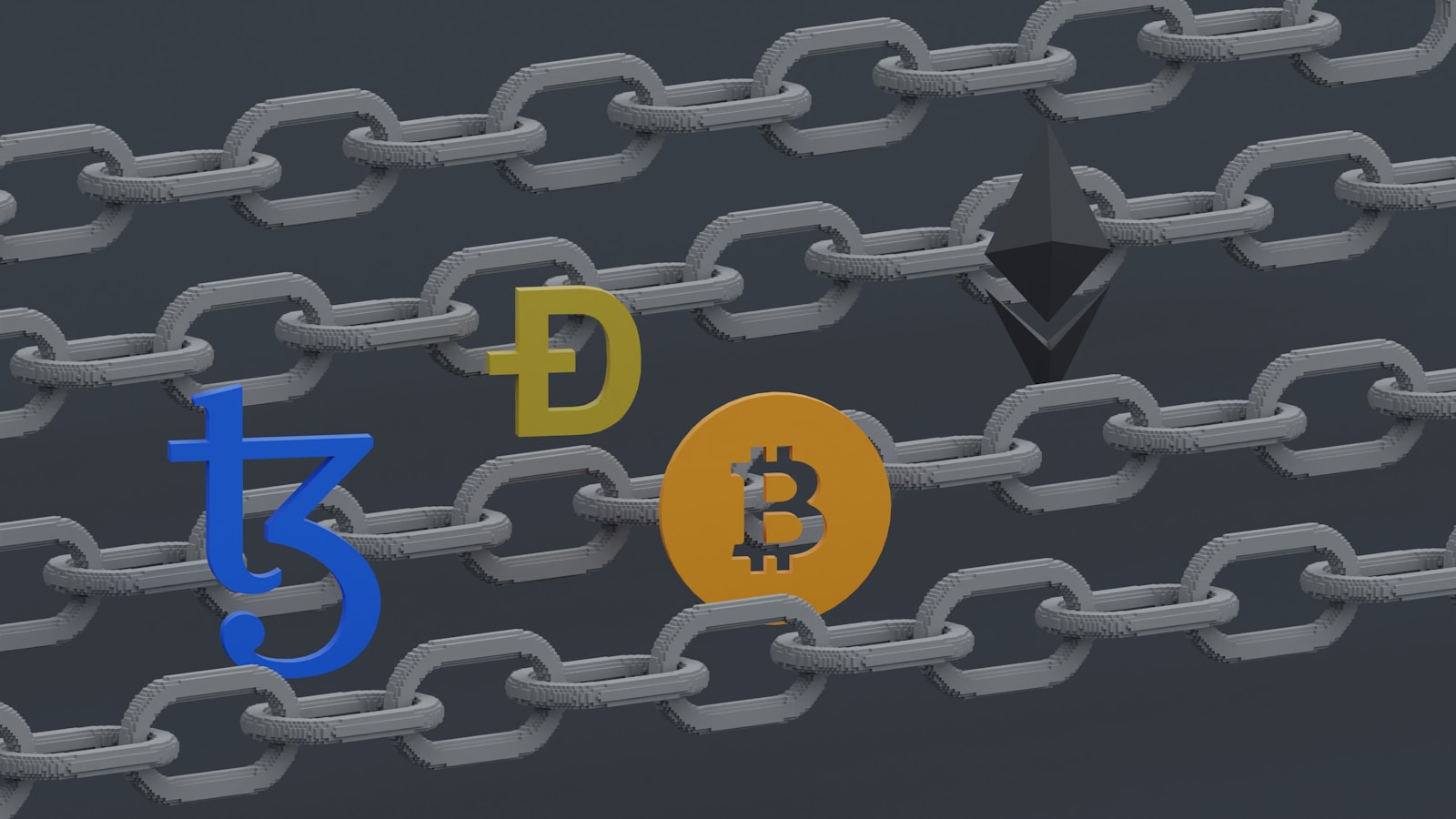
Reducing the overall carbon footprint associated with distributed ledger technologies requires a precise evaluation of their operational power consumption. For instance, proof-of-work consensus mechanisms in certain networks demand significant computational resources, translating into substantial electricity use. Recent data indicates that Bitcoin mining alone consumes approximately 110 terawatt-hours annually, comparable to the energy usage of entire countries such as Argentina. This level of demand raises critical questions about the sustainability of maintaining such decentralized systems without adopting greener alternatives.
Contrastingly, newer consensus protocols like proof-of-stake drastically lower electrical requirements by eliminating energy-intensive calculations. Ethereum’s transition to proof-of-stake reportedly cut its network’s annual power consumption by over 99%, demonstrating the tangible benefits of protocol evolution on ecological metrics. Such developments highlight how technological innovation within the sector can effectively mitigate adverse environmental consequences while preserving transaction security and decentralization.
Comparative Carbon Footprint Metrics
Quantitative assessments reveal stark disparities between various ledger frameworks. A detailed study from Cambridge Centre for Alternative Finance breaks down global hash rates and correlates them with regional energy mixes to estimate emissions accurately. For example:
- Bitcoin’s carbon intensity fluctuates based on miner location but averages around 475 grams CO₂ per kWh consumed.
- Ethereum post-mergePermissioned ledgersLifecycle footprint quantification: Precise measurement frameworks must evolve beyond raw power usage metrics to encompass hardware manufacturing, network maintenance, and cooling infrastructure–factors responsible for up to 30% of total environmental burden in some networks.
- Adaptive consensus models: Hybrid approaches blending proof-of-authority with stake-based validation introduce dynamic participation criteria that optimize resource allocation depending on network load and security requirements.
- Carbon offset integration: Protocol-level incentives aligned with verified offset projects can embed sustainability directly into tokenomics, creating economic drivers for greener operations.
The broader consequences of adopting these strategies extend beyond mere ecological preservation. Reduced resource demand enhances scalability potential and lowers barriers to entry for participants across geographies with varying infrastructural capabilities. This democratization effect could accelerate decentralized finance adoption while aligning market growth with global climate goals.
Looking ahead, advances in real-time environmental metric reporting integrated within smart contracts will enable transparent auditing and governance tied to sustainable performance indicators. Can emerging interoperable frameworks coordinate cross-chain sustainability standards effectively? The answer will shape the next phase of ecosystem maturity, balancing innovation velocity with responsible stewardship.