
Wallet recovery – getting back lost crypto access
If you have misplaced your seed phrase or failed to maintain a secure backup, immediate restoration becomes critical. The seed phrase–typically a set of 12 to 24 words–is the master…

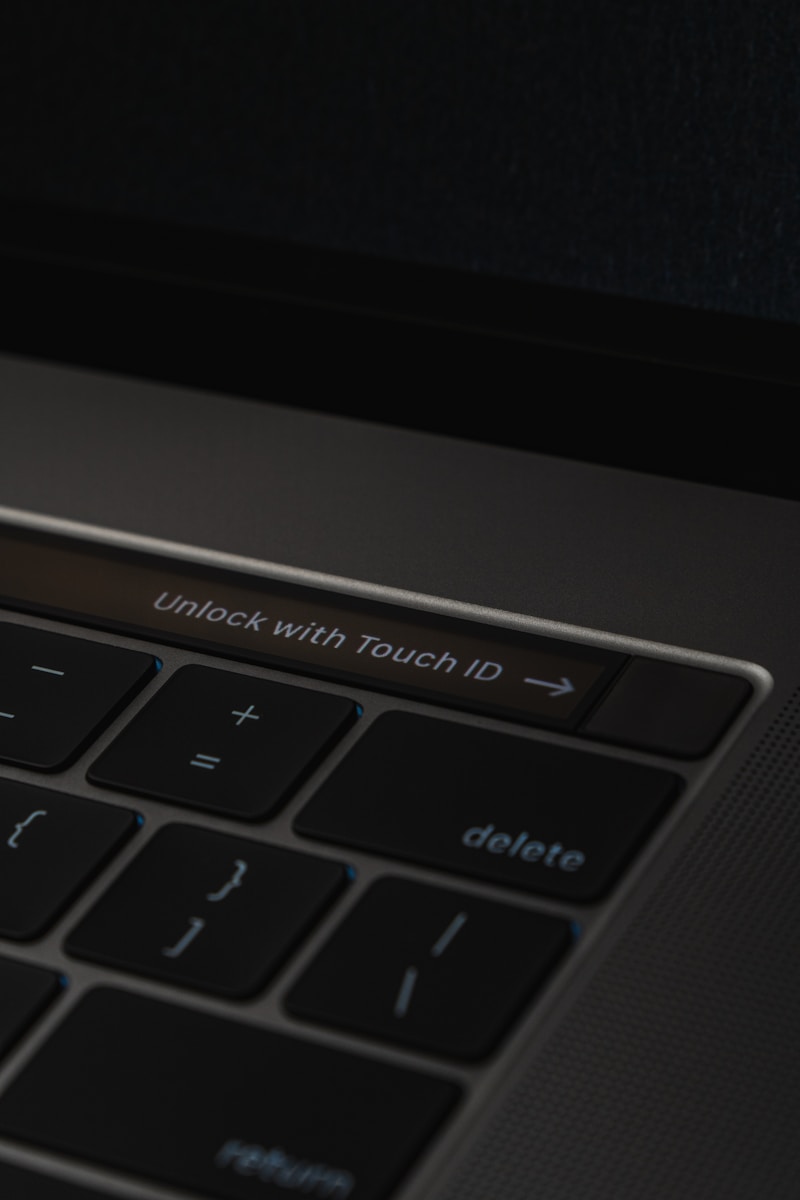
Protection of blockchain holdings requires tailored coverage that addresses unique vulnerabilities. Unlike traditional valuables, these holdings face risks such as private key theft, smart contract failures, and exchange insolvencies. Recent…
Securing valuable devices requires a multi-layered approach that limits unauthorized entry and controls physical custody. Effective measures start with restricting access to sensitive areas through lockable doors, biometric systems, or…
Start with a clear risk assessment. Recognize that most compromises stem from overlooked exposure points within wallet architecture. An effective strategy involves dissecting every component–key storage, transaction signing, network communication–to…
Isolating sensitive keys from any network connection remains the most reliable method to prevent unauthorized access and cyber theft. Devices physically disconnected from the internet, often called cold wallets, ensure…
Establishing a clear timeline for safeguarding your digital asset holder is critical. Recent data from cybersecurity reports reveals that breaches targeting personal crypto holders increased by 37% in the past…
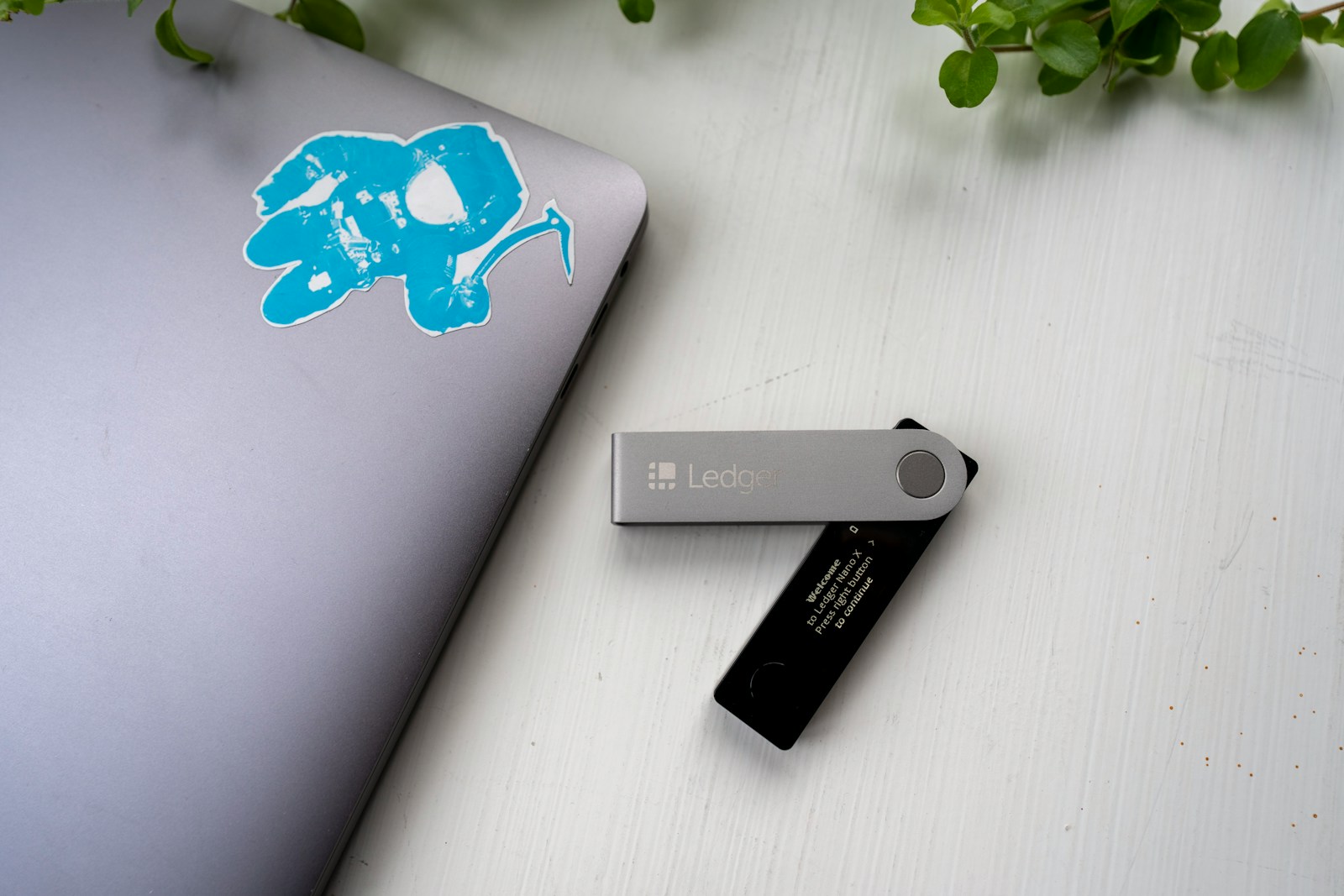
If security is your priority, Ledger’s Nano X offers advanced chip-level protection combined with Bluetooth connectivity for $149. In contrast, Trezor Model T, priced at around $219, provides an open-source…
Failing to enforce strict access restrictions is a primary cause of catastrophic security breaches. Credentials must reside within isolated environments, ideally hardware security modules or secure enclaves, to prevent unauthorized…
Consensus mechanisms serve as the backbone for distributed authorization, enabling multiple parties to authorize transactions without relying on a single point of failure. In enterprise environments, deploying such joint custody…
Opting for self-custody grants full ownership over cryptographic credentials, removing dependency on intermediaries. With non-custodial solutions, individuals maintain exclusive access to their private keys, ensuring absolute control and reducing risks…